
Reunion Island trip — You have seven days to cross volcanoes, primary forests, grandiose cirques, and turquoise lagoons. Here is a dense but balanced itinerary, designed to alternate hikes, iconic panoramas, swims, and cultural discoveries, with variations according to the weather and everyone’s level.
Before you go: the essentials for a successful week on site
The diversity of microclimates imposes one watchword: flexibility. Instead of locking in the days, plan B options by massif. For example, if the clouds cling to Maïdo in the morning, switch to the West coast to enjoy the lagoon; if the easterly wind blows hard, consider a walk in the Tamarins des Hauts forests. To get inspired by an overall panorama of the destination’s strengths, consult why choose this destination: general overview.
Book your car in advance (essential), plan at least two accommodations to limit driving time (West and South/East), and check trail conditions before each departure with the tourist offices or on official sites. Finally, check eruption announcements to adapt your passage in the Wild South and around the Fournaise.
If you want an alternative view of the week’s flow, take a look at one week in Réunion: recommended itinerary, useful for comparing the pace and the sequence of stages.
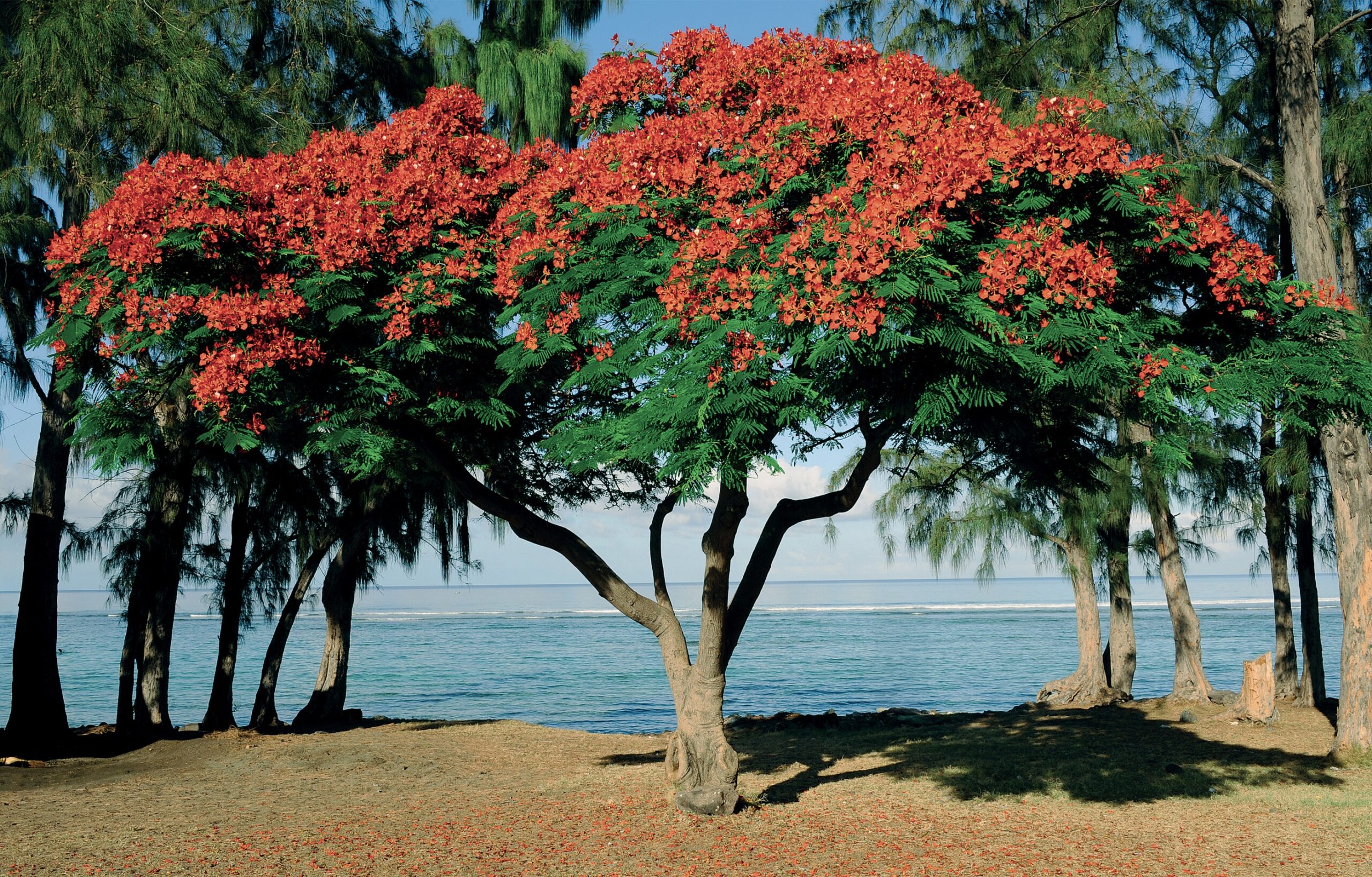
Day 1 — Arrival and warm-up on the West coast
Landing, pick up the vehicle, head to the West to settle into the climate. Drop your bags around Saint-Gilles/La Saline/Ermitage. Depending on the time, start with a swim in the Ermitage or La Saline lagoon (areas protected by the coral reef), then stroll the Saint-Paul market (Friday/Saturday morning) if your schedule allows. It’s the chance to taste samoussas, chili fritters, achards, and sugarcane juice.
In the late afternoon, walk along the pleasant seaside promenade at Ermitage before a blazing sunset. Keep an early wake-up for the next day: the Maïdo excursion requires a very early departure for the best visibility.
Day 2 — Maïdo and the ramparts of Mafate
Leave before dawn for Maïdo (2,190 m) via the winding road above Saint-Paul. On arrival, a vertiginous belvedere opens onto the cirque of Mafate, the stage of a world without roads, accessible only on foot or by helicopter. As a bonus, you can experience one of the most striking natural spectacles of the stay. To spot the best observation points by season, consult the most beautiful sunrises: viewpoints.
After the panorama, consider a hike to the Glacière, the Grand Bénare (for the sportiest) or a descent into Mafate via the Haut Maïdo trail (Warning: steep elevation gain, climb back up early enough to avoid the heat). Alternatively, a tandem paragliding flight from Saint-Leu offers a spectacular aerial contrast over lagoon and reefs.
Finish with a swim in the lagoon and a typical Creole dinner: chicken cari, sausage rougail, rice and beans, and bird’s eye chili for thrill seekers.
Our Vacation Rentals in Réunion
Day 3 — Cilaos: spires, hairpins and springs
From Saint-Louis, the road of 400 hairpin bends climbs toward Cilaos, literally nestled in the heart of the ramparts. Stop at the viewpoints (Fenêtre des Makes if you have time the day before), then head to the town renowned for its lentils, its thermal baths, and its peaks.
Several options depending on your wishes: an easy walk to Roche Merveilleuse; a hike to the Bras Rouge waterfall; a guided canyoning outing to explore pools and natural slides; or a relaxation session at the thermal baths depending on the season. If you’re traveling as a tribe, gentle and fun activities follow easily. To help you put together a day suited to children and teens, explore family stay: activity ideas.
Food lovers will sample the local wine and chouchou pastry. A night on site lets you enjoy the coolness and gaze at the stars under often-clear skies.
Day 4 — Piton de la Fournaise and the Plaine des Sables
The active shield volcano is a must. From the Plaine des Cafres, climb to Pas de Bellecombe-Jacob: the route successively crosses volcanic pastures, a bumpy road, and the striking mineral desert of the Plaine des Sables. If conditions are right, set out early to hike toward the Dolomieu crater (marked trail, weather key, hiking shoes, water and windbreaker required). Check precisely the rules, temporary closures and safety advice via hike at Piton de la Fournaise: practical information.
In unstable weather or for a more relaxed program, combine the Pas de Bellecombe viewpoint with the Maison du Volcan, educational and interactive, before continuing toward the Wild South via the RN5 and the Route des Laves, often streaked by recent flows. Night in the South or return to the West depending on your lodging base.
Day 5 — The Wild South: Grand Brûlé, Cap Méchant, gardens and pools
The basaltic coastline of the Southeast reveals another facet of the region. Start with Grand Brûlé, its layered lava fields and tunnels (supervised, only with guides). Continue to Cap Méchant, battered by the waves, then discover the Jardin des Parfums et des Épices in Saint-Philippe to understand the endemic flora and acclimatized species. Depending on the swell, some pools (Manapany) may offer a protected swim; check locally.
If the idea of a roaming trip appeals to you, this area lends itself to a slow discovery, a window open to the ocean. To gauge the possibilities, take inspiration from these ideas for a camper van road trip, which show how to stretch the stages, from the volcano to the cliffs, at the rhythm of dedicated areas.
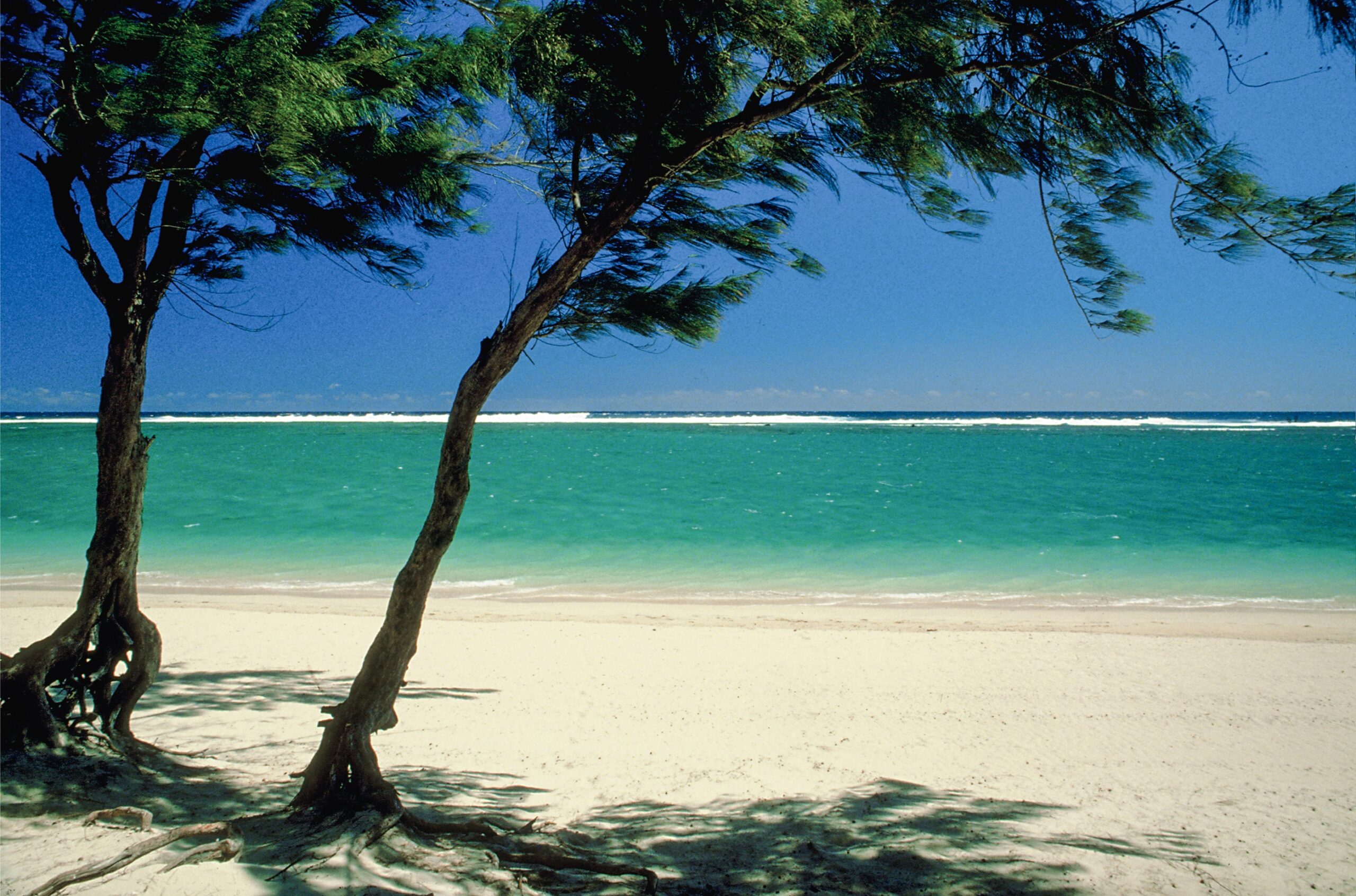
At the end of the day, head back up via Saint-Pierre for a sunset on the seafront and, if you feel like it, a Creole street-food spot or a fresh fish restaurant.
Day 6 — Salazie and Hell-Bourg: waterfalls, Creole houses and poetic mist
From Saint-André, the road to Salazie winds between mossy cliffs and permanent veils of water (Voile de la Mariée leading the way). A stop at the vanilla cooperative lets you grasp the meticulous preparation of the pod, from manual pollination to the drying trunk. In Hell-Bourg, ranked among the most beautiful villages in France, stroll among wooden houses, flower gardens and remnants of the old thermal baths.
For an easy walk, the Bélouve Forest trail offers panoramas over the cirque in fair weather, and, if you’re up for it, the loop to Trou de Fer is a classic (ground often wet, caution). The Salazie cirque, more accessible than Mafate and less mineral than Cilaos, charms with its exuberant vegetation and hydrangeas.
If you have a few extra days, it becomes tempting to add a second night at altitude or to explore the cirques more. To structure a more generous program, here is 10 days in Réunion: 3 itinerary ideas, useful for calmly stretching the sequence of valleys and coasts.
Day 7 — Lagoons, Saint-Leu and last favorites
Close out your week with lounging and underwater explorations. The protected Ermitage lagoon is ideal for snorkeling while respecting corals and fish (no contact, no trampling). Rent a transparent kayak or a board to vary the perspectives. In Saint-Leu, depending on the season, visit Kélonia to learn more about sea turtles, or treat yourself to a paragliding flight if you haven’t done so yet.
Head back to Boucan Canot beach for a final sunset facing the waves, or climb to Cap de la Houssaye to scan the basaltic coast. Gather your souvenirs: markets, crafts, spices, vanilla, tropical fruit infused rum. If, on the contrary, you only had a few days on site and want to condense the best, take inspiration from this 3-day itinerary for an express and efficient version.
Our Vacation Rentals in Réunion
Variants depending on the weather and level
Responsiveness is key. Maïdo and the ramparts require a departure before 7 a.m. for clear horizons; after 9–10 a.m., the clouds roll in. The Fournaise is best attempted early, with a stable weather window; in case of rain or wind, replace the hike with the Maison du Volcan and a drive over the lava fields of the last decades. The cirques, meanwhile, can be enjoyed even under a low ceiling: mists add relief to the forests, but trails become slippery; adjust the difficulty.
For safety, always bring water (1.5–2 L per person), a windbreaker, sun protection, and good shoes. Let others know your routes, check closures on official sites, and be mindful of wet rocks and exposed cliffs.
Culture and cuisine: pacing the evenings
At day’s end, let the Creole zarlors (treasures) complete the experience. In Saint-Pierre or Saint-Paul, savor a massalé goat curry, a fish with combava sauce, or salt cod with chayote. For sweets: honey candies, sweet potato cakes, or candied ti’jacque. For music, try a kabar if there is one during your visit, or let yourself be carried by live maloya and sega in beach bars.
Markets not to be missed depending on the day: Saint-Paul (Friday/Saturday), Saint-Pierre (Saturday), Saint-Leu (Saturday), l’Étang-Salé (Sunday). They offer plenty to fill the car with scents: vanilla, turmeric, wild pepper, and infused rums with multiple infusions.
Where to sleep, when to go, how to get around
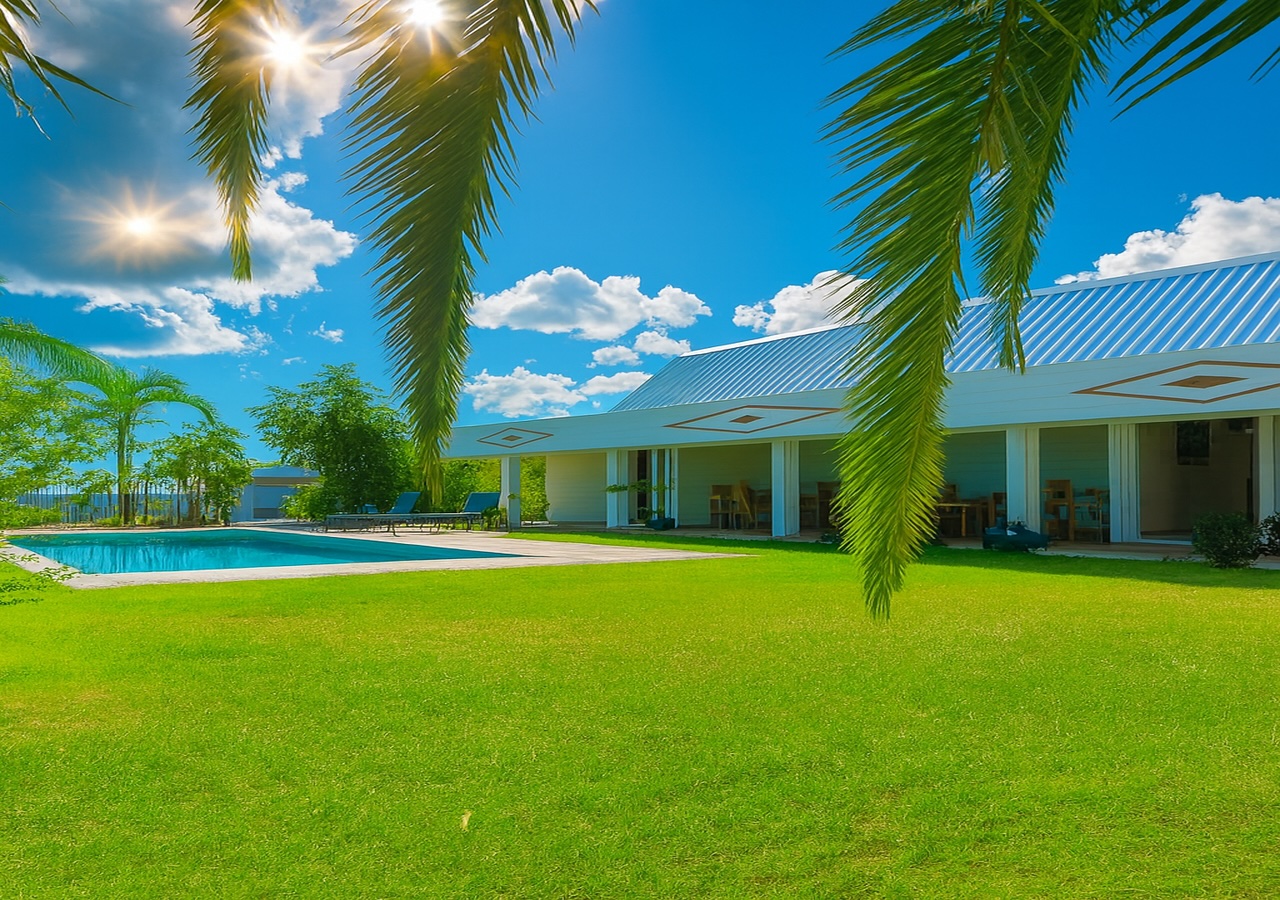
For a week, two strategic bases are enough: West (Saint-Gilles/La Saline/Ermitage) for beaches and access to Maïdo; South (Saint-Pierre/Grand Bois) to branch out toward the Fournaise and the Wild South. In high season (July–August and December–January), book early: availability tightens quickly. If you’re looking for a comfortable, well-located home base, explore our seasonal rentals to plan your schedule around the priority points of interest.
The best period depends on your goals. For hiking, the austral winter (May to October) offers milder temperatures and clearer horizons; for swimming, the austral summer (November to April) warms the ocean, but brings higher rainfall in the East and in the mountains, with cyclonic risk in mid-summer. Whatever the dates, anticipate rapid changes, especially at altitude.
The car remains the most flexible option; plan for a compact but sufficiently powerful model for winding roads. Local carpooling exists but doesn’t cover all schedules. Buses, reliable on main routes, remain less practical for chaining cirques and viewpoints in one week.
Combining beaches and mountains well over 7 days
The classic trap is multiplying transfers. To avoid this fatigue, anchor your nights and organize “petals” around each base. For example: from the West, radiate toward Maïdo, Boucan, Ermitage, Saint-Leu; from the South, aim for Fournaise, Grand Brûlé, Cap Méchant, Saint-Philippe. Reserve Salazie for a day trip from the West/North, and Cilaos with a night on site to offset the turns.
Listen to local advice: a cloudy front expected in the East? Plan Salazie the day before. An austral swell announced? Favor protected pools and let the open ocean rage without you. A guide can turn an outing into an unforgettable moment, especially for lava tunnels, canyoning, or the ascent of secondary peaks.
What to do if you extend or shorten
With 8–10 days, insert a second night in a cirque, or add the East coast between Sainte-Suzanne and Sainte-Rose: waterfalls, vanilla plantations and fishing villages. With 12–15 days, double the experiences: Mafate via another entry (Rivière des Galets, Deux Bras, Aurère), a legal bivouac at altitude, or a complete loop of the coasts, taking the time to stop in each commune. For an overview over about two weeks, consult what to see in La Réunion in 15 days, which puts activities and visits into perspective.
Conversely, if you only have 4–5 days, focus your efforts: one main massif (Maïdo/Mafate or Fournaise) and a West/South coast mix. Keep some rest time at the lagoon to balance demanding hikes and allow yourself a free-style moment to follow a last-minute local tip: that’s often where the best memories lie.
Our Vacation Rentals in Réunion
Example of time distribution by theme
Mountains and panoramas: 2.5 days total (Maïdo + cirque hike + Fournaise). Culture and gardens: 1 day (vanilla, Salazie, Hell-Bourg, botanical gardens). Wild South and coast: 1.5 days (Grand Brûlé, Cap Méchant, Saint-Pierre). Lagoon and relaxation: 1 day (Ermitage, Saint-Leu, Boucan). Weather margins and contingencies: 1 day to redistribute. This granularity leaves you room to adapt the week to the unexpected, without giving up the must-sees.
For those who like to fine-tune variants by time slice, you can also cross-reference this article with another one-week itinerary such as one week in Réunion: recommended itinerary and see how each one allocates Maïdo, cirques and volcano according to seasons and tastes. Finally, if your project slides toward 10 days, 10 days in Réunion: 3 itinerary ideas helps add hidden gems without rushing.
Final tips and mindset
This week aims for a balance between effort and gentleness. Keep it simple: early starts, a light lunch (bouchons, samoussas, fruit, water), a nap or a swim in the afternoon, and a contemplative sunset. Stay curious about the details: a peaceful ravine, a multicolored chapel, a field of swaying sugarcane, a talking tree at a bend in the road. Wonder often comes from little things when you take the time to listen to the wind or smell the rain on the lava.
With this framework, you check off the major landmarks — Maïdo, Mafate, Cilaos, Fournaise, Sud Sauvage, lagoon — while keeping the flexibility to play with the whims of the sky. And if, on your return, you already dream of coming back longer, there are plenty of paths to delve deeper into each cirque, each trail and each table. The adventure here begins on the road, but it continues on the ramparts, at the edge of the lava and facing the translucent horizon of the lagoon.
 Français
 Español
 Deutsch
 English