
hiking safety Réunion Island
Prepare your outing: safety begins before putting on your boots
In Réunion, a hike often comes down to a few decisions made beforehand: route choice, weather assessment, the group's true level, and a safety margin. The island combines significant elevation changes, pronounced microclimates and sometimes technical terrain (roots, volcanic rock, mud, ravines). A planning mistake can quickly turn a stroll into a tricky situation.
Start by selecting a route suitable for the group's weakest member, taking into account total elevation gain (often more decisive than distance), realistic walking time, and escape points (roads, small settlements, shelters). Also plan a strict turnaround time: on some trails, pushing on greatly increases the risk of being caught at night, in the rain, or with fatigue that impairs stability and judgment.
To complete your preparations with official reference points (equipment, behaviors, organization), you can consult practical recommendations before setting out to walk. The goal: limit surprises rather than deal with them once inside the cirques.
Understand microclimates: weather, rain and fog as a surprise mode
On the island, the weather can change in minutes: sun on the coast, thick clouds at Maïdo, sustained showers in a cirque, gusts on an exposed rim. Safety therefore depends on a weather strategy: check multiple sources, observe the sky at the start, and above all accept giving up if the window closes.
The most common weather-related risks are slipping (saturated ground), losing the route (fog), hypothermia (wind + rain + fatigue) and sudden flash floods (ravines). Even at low altitude, a tropical downpour can make volcanic slabs extremely slippery. In the highlands, wind can drop the perceived temperature, especially if you are wet.
Adopt a simple rule: if visibility drops to the point where you can no longer clearly distinguish the trail markings, slow down, tighten the group, and consider turning back. In the forest, an obvious path can split into several tracks, and fog makes visual landmarks deceptive.
Choose a route that matches your level: elevation gain, technical difficulty and exposure
Trails on Réunion can be demanding: high steps, narrow passages, roots, scree, and sometimes sections very exposed to drops. Difficulty is not limited to distance. A short but steep loop can be more taxing than a longer, steady route.
To reduce accidents, identify before departure: (1) exposed sections, (2) potentially muddy areas, (3) ravine crossings, (4) estimated duration for your pace. If you are a beginner, favor well-marked, frequented routes with a clear turnaround point (viewpoint, picnic area, notable landmark).
When increasing difficulty, do so progressively: first a hike with moderate elevation gain, then a longer outing, then only technical trails. Progression also secures the mind: fear of heights or slippery sections increases tension, and therefore the risk of falling.
Our Vacation Rentals in Réunion
Equip yourself without overloading: the realistic safety kit
The right equipment is what addresses the likely risks without turning the pack into a burden. On Réunion, priority goes to traction, water management (rain and heat), and self-sufficiency (even on a day outing).
Shoes, clothing and protection from the elements
Prefer shoes with grippy soles and good support. Shoes that are too smooth or worn are a common cause of slipping on wet rocks and roots. Regarding clothing: think layers (breathable + light insulating + waterproof). A waterproof windbreaker is often more useful than a thick sweater, because rain and wind are the true risk multipliers.
Add: cap or bucket hat, sunglasses, sunscreen. You can burn quickly even when the sky clouds over. A neck gaiter or a thin warm layer can save you on a cold, wet descent.
Water, food and effort management
Dehydration and hypoglycemia reduce coordination, increase cramping and impair decision-making. Carry enough water (often more than on the mainland for the same duration, especially in hot areas) and snacks that are easy to eat regularly. Eat before you are hungry and drink before you are thirsty: this is a safety rule, not just a comfort tip.
Navigation, light and emergency gear
Carry a headlamp (even for a short outing), an external battery if you use your phone for navigation, and items to cope with a temporary immobilization: a survival blanket, a small first-aid kit (plasters, bandage, disinfectant, strapping). A whistle weighs nothing and is heard farther than the voice.
For structured instructions and points of attention specific to the island, this reminder about good walking practices and caution provides a useful basis, notably on preparation and behavior in natural environments.
Respect waymarking and local instructions: this is not optional
On some routes, stepping off the path even a little is enough to put yourself in danger: loose ground, gullies hidden by vegetation, erosion underfoot. Stay on official tracks, follow the markings, and do not attempt shortcuts. Shortcuts damage the terrain but, more importantly, put you on unstable slopes where a simple slip can turn into a long fall.
Likewise, if a trail is closed or advised against (landslide, works, weather conditions), consider that the information is there to protect you. What seems passable can quickly become impassable on the return, when fatigue sets in and the weather has changed.
For a very practical approach to behaviors to adopt, wildlife/flora, and the reflexes to have on forest routes, refer to the recommendation guide intended for walkers published by a major player in the management of natural areas.
Anticipate hazardous areas: ravines, cliffs, mud, roots and volcanic rocks
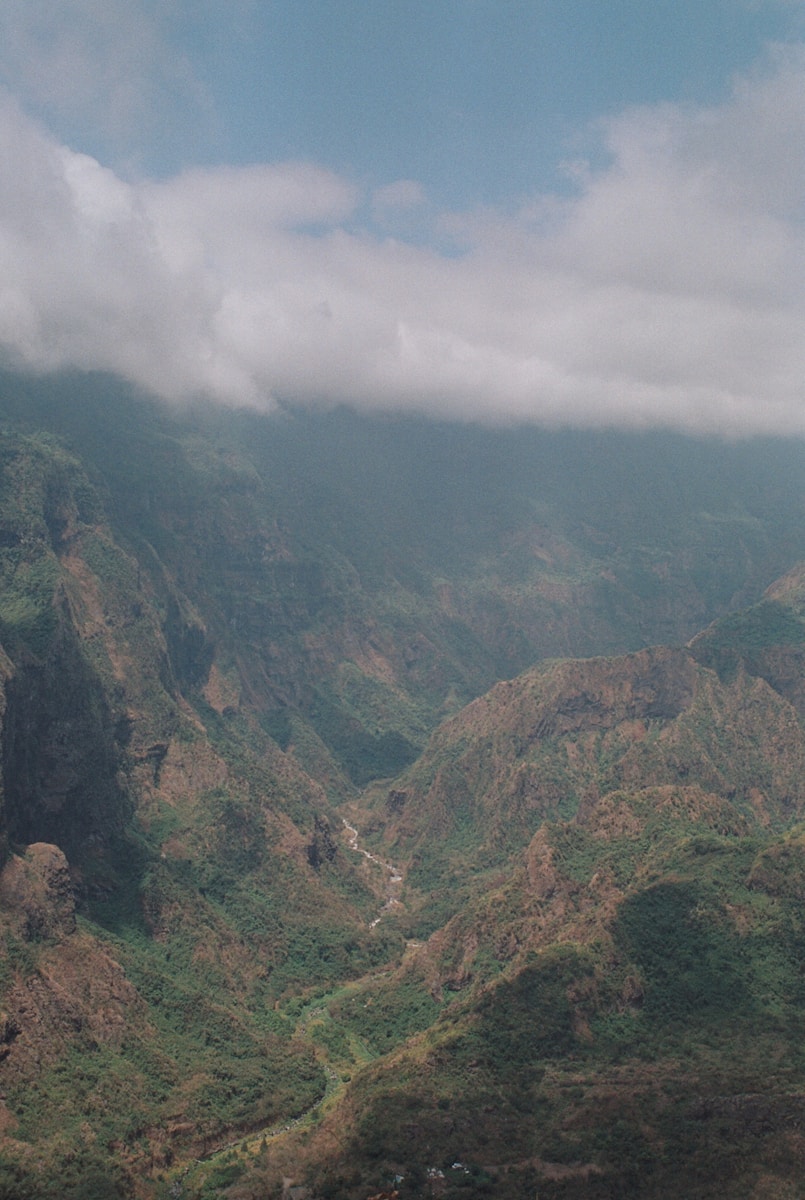
Réunion offers spectacular landscapes, but some terrains require constant vigilance. Ravines can swell very quickly in case of rain, even if you are dry where you are walking. Avoid entering a riverbed or crossing a pebble area if the weather is unstable or if the water level is rising.
Cliffs and escarpments demand careful walking: no rushing, no stopping at the edge for a photo if the ground is loose, and no jostling in narrow passages. Let the more confident pass, then proceed calmly while keeping distances. A walking pole can help, but only if you know how to use it (otherwise, it can unbalance you in technical areas).
Mud and roots require a strategy: short steps, precise footings, low center of gravity, and acceptance of slowing down. On wet volcanic rock, test traction before transferring your full weight.
Start early, manage timing and avoid finishing hikes
The classic trap is leaving too late, pushing to the end point, then returning in the dark, tired and sometimes in the rain. Leaving early gives you leeway: for breaks, navigational errors, photos, and a possible turnaround.
Set a turnaround time from the start. Stick to it, even if the summit is close. It is often in the last 30 minutes to reach it that errors occur: misstep, fall, sprain, or getting lost due to decreased attention.
Group hiking: communication, pace and each person’s role
In a group, you can be safer… or put yourselves more at risk if the group is poorly managed. Set a common pace, with one person leading who knows the route and a sweep at the back who doesn’t let anyone fall behind. Make regular checks: fatigue level, pain, remaining water, weather, morale.
Our Vacation Rentals in Réunion
Avoid spreading out: in fog or forest, a few minutes' gap is enough to lose visual and auditory contact. If someone wants to speed up, they do so only if the trail is obvious and with a clear stop at a major landmark. Otherwise, stay together.
Navigation: don’t rely on a single tool
The phone can be a useful aid, but it is not infallible: battery, breakage, moisture, lack of signal. Download your maps offline before departure. Learn to read terrain cues (markings, junctions, relief). And above all, if you hesitate at a crossroads: stop, observe, confirm, then proceed. Continuing to go just to see is an effective way to stray from the correct route.
If you are looking for a concise approach on how to organize an outing, choose a route and handle the unexpected, these step-by-step tips for a calmer outing can help you formalize your checklist.
What to do in case of an incident: protect, alert, wait
In case of injury or lost route, the priority is to prevent the situation from getting worse. If someone is injured: shelter them (from wind, rain, rock-fall zones), cover them to limit cooling, assess severity, then decide whether the group can assist walking or if you need to alert. A sprain can worsen very quickly on unstable terrain.
If you are lost: stop. Backtrack to the last certain point is often the best option. Do not descend randomly into a ravine to find a road: this is a common mistake in volcanic and forest terrain. While waiting for help, stay visible, conserve battery, and report your position as best as possible (GPS coordinates if available, trail name, landmarks).
Personal safety: transport, parking, sensitive areas and common sense
Safety is not limited to nature: it also includes access to trailheads, parking, and protection of your personal belongings. As everywhere, avoid leaving items visible in the car, prefer busy parking areas, and inform someone of your route and estimated return time.
If you wonder about areas to avoid depending on seasons or situations, this travelers' discussion can provide firsthand feedback: questions and opinions about places perceived as less reassuring. However, take this information with discernment: contexts change, and the best reflex remains to adapt (timing, discretion, parking, group).
After the hike: recover to avoid a silly accident
Many incidents occur at the end of an outing: you're happy, you relax your attention, you speed up on descents, you slip. Maintain vigilance until the parking area. Upon arrival, hydrate, eat, and take time to change if you are wet. Recovery also limits injuries in the following days, which is crucial if you string together several hikes during your stay.
Organize your travel and base camp to hike more peacefully
Reducing logistical constraints increases safety: less stress at departure, less night driving after a big day, more sleep. Choosing accommodation in a good location also allows you to adapt the plan according to the weather (switch to another area if a cirque is blocked).
To optimize your on-site organization, you can consult a practical guide for choosing and using a vehicle on the island, useful for anticipating driving times, parking and mountain driving conditions.
And if you are looking for a base to reach several trailheads, discovering accommodations suited to a stay on the island can help you build a realistic itinerary, with well-balanced days.
Adjusting your goals: combining hikes and supervised activities
Réunion also lends itself to more athletic experiences, sometimes more demanding than a typical hike. In such cases, supervision by professionals is a real advantage: equipment management, assessment of conditions, route selection and safety procedures. If you want to vary your stay, ideas for supervised activities and outdoor adventures can complement your hikes while maintaining a safe framework.
Our Vacation Rentals in Réunion
In short: the reflexes that make the difference
On Réunion Island, hiking safely comes down to a few constant principles: plan generously (weather, schedules, water), choose a suitable route, stay on the trail, know when to give up, and keep a Plan B. Add simple group management and minimal self-sufficiency (headlamp, first-aid kit, blanket), and you turn a potentially risky activity into a controlled adventure. The landscapes will be just as magnificent, but the experience will be more peaceful.
 Français
 Español
 Deutsch
 English