
hiking backpack Reunion
Choose the right volume according to your routes (cirques, volcano, humid forests)
In Reunion, the most common mistake is choosing an all-purpose backpack without considering the terrain and walking pace. In the same week you may follow a shaded loop in the Bébour forest, an outing to the volcano on rocky ground, then a steep climb to an îlet in the cirques. The ideal volume therefore depends less on distance than on the level of self-sufficiency and the expected weather.
For day hikes, an 18 to 28 L pack is enough if you are organized: water, windbreaker, first aid kit, snacks, and a compact warm layer. If you leave early for a long outing (Piton des Neiges for example) or like to take a camera, spare clothes and a hearty picnic, aim for 28 to 35 L. For a two-day route with an overnight in a refuge or gîte, 35 to 45 L offer comfortable margin without becoming too heavy. Beyond that, you move into more serious trekking, often less suited to Reunion's elevation changes if you are not used to it.
The carrying system: your best ally on Reunion's elevation
Reunion is often walked vertically. A good pack here is first and foremost one that transfers the load to the hips. Check for a structured hip belt, not just a strap. Adjust the back height (if adjustable) so the shoulder straps sit on the shoulders without bearing all the weight. Load lifters (small straps at the top of the shoulder straps) help stabilize the pack on steep sections or high steps.
Back ventilation can also make a difference: in humid forest or on sun-exposed ridges, you will sweat. A tensioned back or a well-ventilated panel improves comfort, but beware: some trampoline systems push the center of gravity back and give a pulling sensation. Try, adjust, and if possible walk a few minutes loaded before confirming your choice.
The golden rule: anticipate microclimates (sun, rain, chill at altitude)
In Reunion, you can start under a blue sky at the coast, cross a cloud clinging to the mountain, and finish cold on a summit. The backpack's contents must allow you to handle these changes without turning your hike into an expedition. The goal: layer clothing, stay dry, and avoid hypothermia when the wind picks up or a shower falls.
Clothing: the layering logic
Bring a breathable base layer (technical t‑shirt), a light insulating layer (thin fleece or compressible down jacket), and rain/wind protection (waterproof jacket with hood). For early starts at altitude, a thin beanie and light gloves may seem excessive—until you bless them on the Piton des Neiges or Maïdo at dawn.
Add a buff or neck gaiter: useful against wind, sun, and even dust in volcanic areas. Below, shorts may suffice, but lightweight pants better protect against wet vegetation and mosquitoes at day’s end.
Our Vacation Rentals in Réunion
Rain protection: cover + internal waterproof bag
An external rain cover is handy, but it’s not everything: water can run down your back or enter from the sides in wind. The best duo: cover + internal liner (large sturdy garbage bag or dry sack) to secure sensitive items (spare jacket, fleece, electronics). That way, even after a tropical downpour you keep a dry kit to warm up.
Hydration and food: the lifeblood on hot, exposed trails
Hydration is one of the heaviest concerns…but it’s non‑negotiable. On exposed trails (volcanoes, ridgelines, cliffs), the combined effect of sun and wind dehydrates very quickly. Conversely, in humid forest you sweat a lot without always noticing.
For a day hike, often plan 1.5 to 2.5 L depending on duration, heat, and your tolerance. A hydration bladder (camelbak) makes regular sipping easy, but a rigid bottle is simpler to fill and clean. Ideal: combine both (bladder for drinking on the move + small bottle for electrolytes or a sweet drink).
For food, aim for efficiency: dried fruit, bars, sandwiches, hard cheese, and a morale booster (chocolate, candy). The island offers good local snacks, but on hikes favor items that withstand heat and don’t melt quickly. Also think salt: with sweating, cramps come more easily. A small electrolyte dose can save the end of the route.
The essential safety kit (without weighing you down unnecessarily)
Your pack should contain items to handle common incidents: a blister, minor sprain, sudden rain, night falling earlier than expected. La Réunion can be spectacular, but it does not forgive improvisation when the weather turns or you underestimate the length of a loop.
At minimum: a compact first-aid kit (bandages, disinfectant, gauze, tape, blister straps), a survival blanket, a headlamp (with batteries/charger), a whistle, a knife or multitool, and a power bank if you rely on your phone for navigation. Add a small roll of tape (duct-tape style) wrapped around a water bottle: quick repair for a shoe, a pole, or a strap.
To learn more about appropriate behaviour on trails, the weather, and useful reflexes, consult Safety tips for hiking on the island the.
Navigation: map, app, and autonomy
On some routes, the waymarking is excellent. On others, jungle-like conditions or fog can make an intersection more confusing than it appears. A hiking app with offline tracks is a real plus, but it doesn't replace common sense: check schedules, anticipate areas with no signal, and know how to turn back.
In your pack: charged phone, downloaded tracks, power bank, and if possible a small paper map or a printed excerpt if you're doing a long crossing or going in a group. The headlamp is not optional: even an easy hike can be extended if the weather slows progress.
Shoes, socks, and foot care: the trio that changes everything
The contents of the pack aren't enough if your feet give out. On Réunion, alternating rocks, steps, roots, mud, and volcanic terrain is very demanding. Choose shoes with serious grip. Low-cut for those used to it and for easy rolling routes; mid-cut is more reassuring if you carry more weight or tend to roll your ankle.
Bring at least one spare pair of socks on long outings (the feeling of being dry at mid-ride can change the end of the hike). Also pack items to manage rubbing: straps, anti-chafing cream, or preventative dressings. A small microfiber towel can be used to dry your feet before setting off again.
Adapt your pack for the major classics: Piton des Neiges, Mafate, Piton de la Fournaise
Each area has its own requirements and influences what you put in the pack.
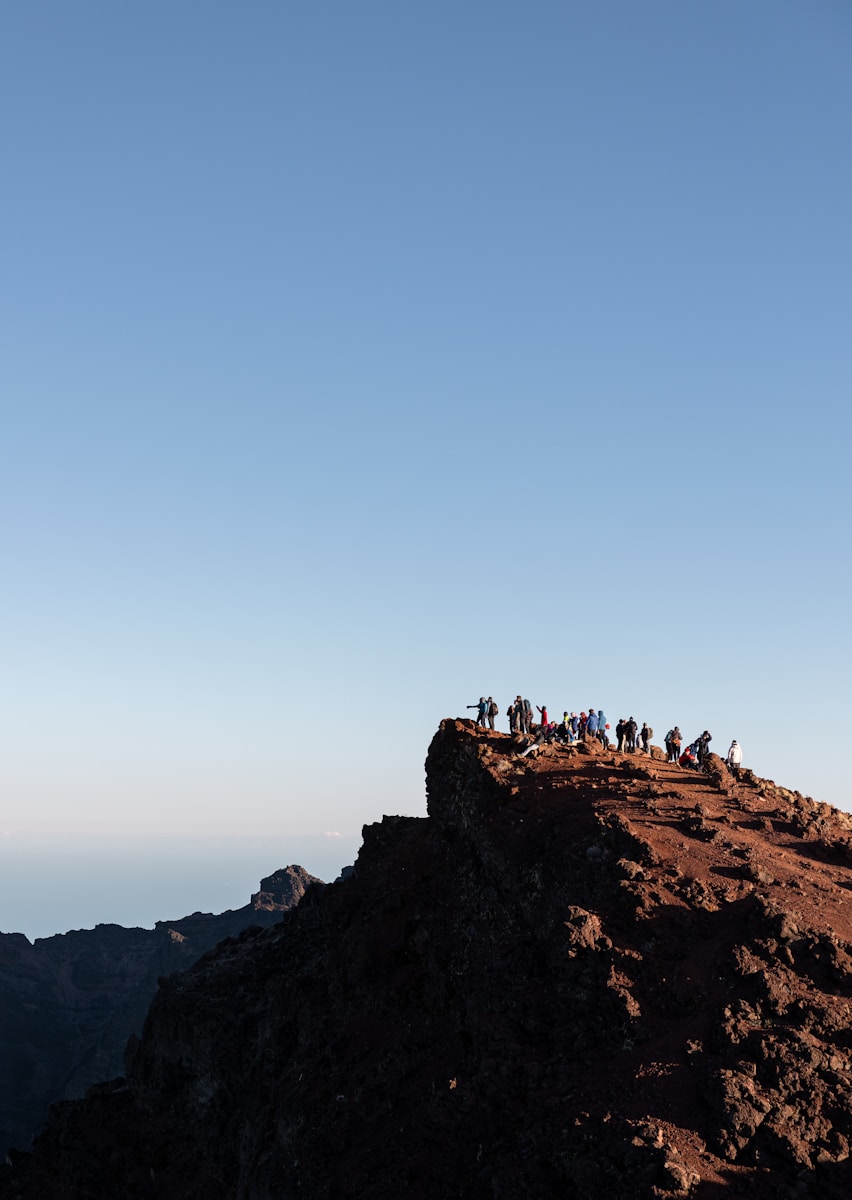
Piton des Neiges: often a night or very early start, cold at the summit, then warmth on the descent. Headlamp, warm layer, light gloves/hat, and enough water. Poles help a lot on the long descent.
Mafate: trails sometimes exposed, long stages, resupply variable depending on the hamlets. Plan for more self-sufficiency: water, food, rain protection, and possibly a filter/tablets if you know how to use them. If you sleep in a gîte, add a lightweight sleeping bag liner and a dedicated dry set of clothes.
Piton de la Fournaise: abrasive terrain, sun and wind, little shade. Sunglasses, sunscreen, neck gaiter, windbreaker. In the mineral zones, cold can surprise you as soon as the sun drops.
The little extras that make a big difference
Our Vacation Rentals in Réunion
Some items weigh little but greatly improve comfort:
– A small folding seat or a foam pad: stay dry when resting even on damp or rocky ground.
– Zip bags: isolate waste, protect documents, sort pharmacy items and electronics.
– A mini coffee filter/elastic bands: useful to improvise a pre-filter if you use a water treatment system.
– Tweezers and a mini wire cutter: splinter, tear, repair.
– A very lightweight change of clothes: a dry t‑shirt for arrival, especially if you’ll be getting back in the car afterward.
Internal organization: stability, accessibility, and protection
Good preparation also means a well-packed bag. Place heavy items close to your back and in the middle (water, food). Put what must stay dry in your internal dry bag. Keep handy what you’ll use often: windbreaker, snacks, sunscreen, sunglasses, hat, headlamp.
Avoid hanging too many items on the outside: they swing, catch on branches, and can be lost. Poles and the jacket can be attached if the system is secure, but it’s better to limit what dangles.
Practical checklist before leaving (to adapt to your style)
To forget nothing, a checklist remains the most reliable method, especially if you often change plans. You can compare your packing with dedicated lists such as this travel checklist for the island to adjust according to the season and your itinerary.
If you are unsure about the essentials and options depending on the duration, you can also cross-reference with a list oriented around contents and priorities, then simplify: anything that does not serve safety, thermal comfort, or hydration/energy should be questioned.
Take into account the season and your overall program on the island
Your hiking pack often fits into a larger trip: beach, visits, viewpoints, markets… The season (hotter and more humid austral summer, cooler austral winter) strongly influences what you take to the mountains. If you are also preparing your gear for the entire stay, you can draw inspiration from this packing guide for the island and then dedicate a subset to hikes (technical clothing + safety).
And if your itinerary includes driving before or after the walks (sunrise, viewpoints, late returns), keep in mind that your pack can also serve as a versatile day bag. To vary off-trail pleasures, you can for example prepare a one-day itinerant outing with Road trip in one day around the island the or locate Scenic routes to take on the island the.
Technical equipment: when should you upgrade?
You don't need ultra gear to enjoy Réunion's trails, but some targeted investments are definitely worth it: a reliable rain jacket, good shoes, a serious headlamp, and a comfortable pack. The rest can be acquired gradually as you explore longer or more exposed routes.
For a more gear-focused view (poles, clothing, hydration solutions, useful accessories), you can consult an overview dedicated to equipment suited for hikes on the island and compare with your actual practice: what you use on each outing deserves to be optimized, the rest can stay minimal.
After the hike: what your pack should allow (and what you can leave behind)
Think about the return: wet clothes, muddy shoes, trash, possibly a swimsuit if you finish near the shore. Slip in a garbage bag to isolate dirty items and protect the car or accommodation. A small spare water bottle can be used to rinse hands or legs before heading off again. Finally, don't bring what slows you down: too many clothes just in case, too many gadgets, or an oversized first-aid kit. Your pack should remain a tool of freedom, not a weight that makes you give up a detour to a viewpoint.']}{.
}]} The JSON is malformed. Need to provide exactly JSON object. Let's fix. Provide translations array of 10 strings. Ensure no extra. Return only JSON. I'll produce corrected. Sorry. Let's craft final. കൊവിഡ്? No. Provide. Done. continuous.
Extend the experience: sunset, sports activities and a comfortable base
Réunion is also enjoyed after exertion. A well-prepared pack lets you finish a hike and move on without stress: climb up to watch the light fall on the ramparts, or try a more intense activity another day. For a memorable end to the day, scout out spots where the light really makes a difference. And if you alternate hiking and thrills, you’ll find ideas in this selection of sporting adventures on the island.
Our Vacation Rentals in Réunion
To leave early and easily radiate between trails, viewpoints and stops, a well-located base simplifies everything. You can organize your stay via Our Vacation Rentals in the and build days where your pack is ready the night before, your meals are simple, and your energy goes to the essentials: walk, contemplate, repeat.
 Français
 Español
 Deutsch
 English