
see marine turtles reunion
Watch marine turtles in Réunion without disturbing them
In Réunion, encountering a marine turtle is often a suspended moment: a dark back gliding above the reef, a surface breath, then a silhouette fading into the blue. But this magic must never come at the expense of the animal. On the island, turtles are protected, and their tranquility depends as much on regulations as on each person's behavior in the water and along the shore. The goal is not to approach at all costs, but to be in the right place, at the right time, with the right reflexes.
To better understand the protection status and local issues (human pressures, habitat fragility, threats), you can consult the official resource Réunion Turtle: a species to protect. It reminds of one essential point: responsible observation begins with strict respect for the rules, even when no one is watching.
The best areas to have a chance to see them (no guarantee)
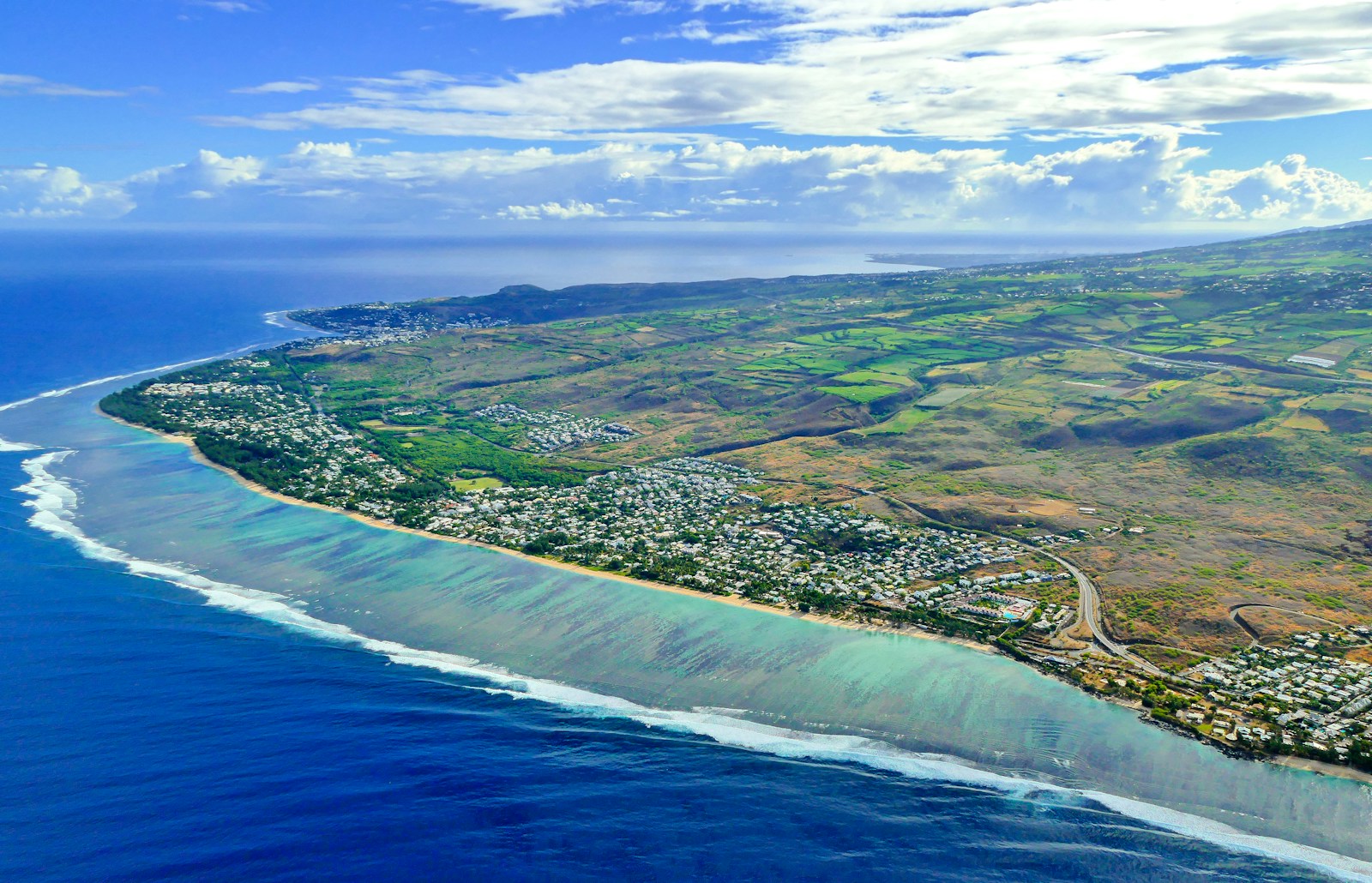
Turtles don't reserve themselves: they are encountered. In Réunion, sightings most often occur on the west and southwest coasts, where reef and lagoon areas offer seagrass beds, coral bommies and shelter. Chances increase in areas where the water is calm, visibility is good, and where food is found (algae, seagrass) as well as resting areas.
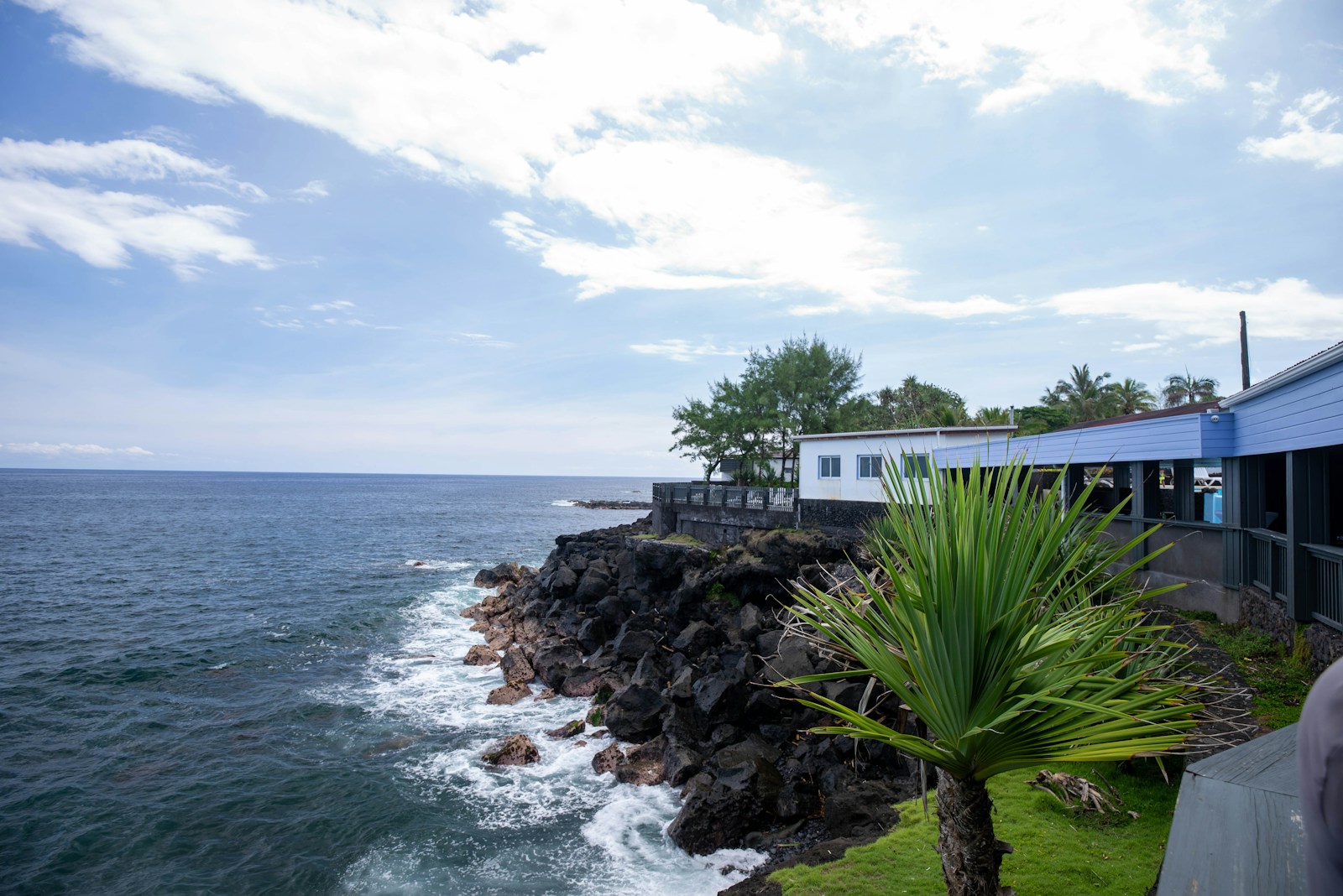
Exact locations change according to the season, swell, visitor pressure and reef condition. It's better to think in terms of types of places rather than a GPS point: reef edges, passes, lagoon margins, shallow rocky zones, drop-offs easily accessible by diving. The idea is to choose sites suited to your level, to avoid chaotic kicking, accidental contact with coral and stress induced by a clumsy approach.
West coast: lagoon, fringing reef and calm areas
On the west coast, the lagoon and reef formations create an environment conducive to snorkel-hiking observation when conditions allow. In these areas, the common mistake is to focus solely on finding the turtle: people then forget the fragility of the environment, get too close, unintentionally block a path, or position themselves above the animal. Instead adopt a wait-and-see approach: slow forward movement, a lateral position, and stop as soon as the animal seems to change rhythm.
Southwest: rock and relief, good chances with guided snorkeling
When the sea is navigable, some sectors of the southwest offer more rugged bottoms, sometimes rich in small cavities and feeding areas. Turtles may rest there or look for food. In these places, currents, swell, and depth variations require real mastery. If you are not comfortable, favour guided sessions or a simpler spot: better a trip without a turtle than a risky outing that damages the environment or puts you in difficulty.
Swimming with turtles: golden rules and good reflexes in the water
Our Vacation Rentals in Réunion
When a turtle appears, the priority is not to alter its behavior. A turtle that suddenly changes direction, accelerates, dives for no apparent reason, surfaces urgently to breathe elsewhere, or stops feeding is a disturbed turtle. The right actions are often counter-intuitive: slow down, move away slightly, and let the animal decide the distance.
For a practical summary of possible spots and rules to follow before entering the water, you can read Where to swim with turtles in Réunion? 6 spots and rules. Keep in mind, however, that conditions change: what is suitable one day may be unsuitable the next (swell, visibility, crowding).
Distance, angle of approach, rhythm: the trio that changes everything
Responsible observation is based on three simple elements:
1) Distance : stay several meters away. If you can distinguish every facial detail, you are probably too close. While holding your breath, the temptation is strong to inch forward for the photo; it’s precisely that meter that flips the animal into flight mode.
2) Angle : avoid positioning yourself directly in front of it or above. Prefer a slightly withdrawn, side position. A turtle coming up to breathe must be able to reach the surface without a human barrier.
3) Pace : no breath-hold chasing. Rapid finning, even without contact, is experienced as predation. Float, stabilize, breathe calmly, and let the animal pass.
Photo and video: how to leave with a memory without harming
Images are often the main reason for approaches that are too close. To limit the impact:
Avoid flash and harsh lighting, especially in shallow water. Prefer natural light and a side angle.
Do not cut across the path : if you want a picture, stay still and let the turtle come if it wishes. The best scenes are those where the animal remains natural.
One take only, then move away : the accumulation of micro-disturbances (multiple divers, multiple attempts) ends up wearing the animal down.
No staging : no contact, no guiding, no attempts to make it surface or turn.
What you should never do (even just once)
Do not touch a turtle, do not feed it, do not cling to the reef to hold your position, do not chase it, do not encircle it, do not block it between you and the shore. On the sand, avoid standing over seagrass beds and feeding areas. In the lagoon, a single poorly controlled fin kick can stir up sediment and permanently disturb the area.
Diving, snorkeling, guided outing: choose according to your level
In Réunion, you can encounter turtles both while snorkeling and scuba diving. The choice should be made based on your comfort, because a stressed, unstable observer quickly becomes an unintentional disruptor. If you are a beginner, favor easy, shallow, current-free areas, and a guided outing that emphasizes buoyancy and respect for the environment.
Accessible areas: prioritize safety and buoyancy control
Before you go, identify spots where entry is easy, where you can move without scraping the bottom, and where you can exit calmly if the sea changes. To find route ideas and understand different access levels, consult a guide to areas suited for exploration. The point here is to reduce risky behavior: grabbing, trampling, or approaching too quickly to compensate for lack of ease.
Sites for experienced divers: when observation must be earned
More experienced divers will sometimes have access to deeper or more exposed areas where turtles can also be seen. But "experienced" does not mean free of all constraints: on the contrary, the more technical the environment, the more impeccable you must be with trim, buddy team, navigation, and current management. If this applies to you, you can plan your outings with a selection of spots for seasoned divers, keeping one priority: observation should remain a bonus, never the goal that pushes you to exceed your limits.
When to go: weather, sea, crowding and observation quality
The best season for calm observation is first and foremost when conditions are pleasant and safe: readable sea, adequate visibility, little swell, moderate current. On Réunion Island, weather can change quickly, and a calm area at dawn can become rough a few hours later. To maximize your chances while reducing impact on wildlife, favor:
Off-peak hours : early in the morning on weekdays, when attendance is lower. Fewer people, less noise, fewer chases.
On days with good visibility : paradoxically, when visibility is good, we keep our distance more; there is no need to get close to the animal to observe it.
Our Vacation Rentals in Réunion
Short, clean outings : better 40 minutes of attentive exploration than a long session where concentration drops (and mistakes increase).
Watching from the shore: a sometimes more respectful choice
We often forget, but some observations can be made without entering the water: from viewpoints, rocky headlands, or elevated areas when the sea is clear. This type of observation has a major advantage: zero direct disturbance, no interaction. If your goal is to appreciate wildlife without impact, it’s an excellent option, especially on days when the sea is not suitable for swimming or snorkeling.
To make this moment more interesting, bring binoculars and observe behaviors: surface breathing, trajectories, feeding areas. The important thing is to remain discreet, avoid gatherings at the water’s edge, and not throw anything (even biodegradable) into the environment.
Common visitor mistakes (and how to avoid them)
Confusing curiosity with the right to approach : a turtle may appear calm, but it sometimes simply tolerates your presence. Tolerating is not consenting.
Increasing the number of attempts : if you’ve seen it once, that’s enough. The hunt for the perfect image is one of the main causes of stress.
Grouping around the animal : a circle of swimmers closes off all escape routes. If there are several of you, line up on the same side, at a distance, without sudden movements.
Forgetting the environment in favor of the animal : watch out for corals, sea urchins, rocks, and seagrass. A good observer also protects the habitat.
Ignoring your fatigue : lack of breath leads to rushed kicking and uncontrolled movements. If you are out of breath, get out, rest, and come back another day.
Protecting turtles also means respecting the island (culture, places, pace)
Traveling responsibly in La Réunion means taking into account much more than just going out to sea. It involves understanding how sites are used, coexisting with residents, and the cultural rhythm that structures the year. Enjoying a stay also means alternating activities: sea one day, hiking or heritage the next, to reduce pressure on the same coastal areas.
If you want to complement your itinerary with more land-based (and often quieter) moments, you can take a look at an overview of events that bring the island to life, or also explore iconic places to visit respectfully. Getting to know the island better also means understanding why certain natural areas are sensitive and why discretion is a form of consideration.
Plan a coherent stay: stay near suitable areas without over-visiting
A well-planned stay helps observe without pressure: avoid rushing from one spot to another, limit unnecessary trips, and choose outings suited to the day's weather. Staying in an area that allows easy access to several zones (including alternatives to the sea in case of swell) reduces the temptation to force conditions.
To organize your base and plan your activities while staying flexible, you can consult our accommodations for a tailor-made stay. The idea is simple: when you have time, you observe better, and you disturb less.
Understanding the history and practices to better respect the spaces
Coastal sites are not just spots: they are places of life, activities, and memory. Between fishing, leisure, traditions and environmental constraints, Réunion’s coast is shared. Learning about the island’s history helps adopt a more humble stance: you are not in a set, you are in a territory.
To place your trip in a broader context, you can read an insight on the settlement and culture of Réunion. This understanding often makes it more natural to respect the rules, sensitive areas, and local recommendations.
Responsible observation checklist (to reread before entering the water)
Before : weather conditions checked, spot suitable for your level, equipment adjusted (mask, fins, buoyancy), clear intention (observe, do not pursue).
In the water : slow movements, distance, lateral approach, no flash, no contact, no crowding, watch the bottom and the coral.
Our Vacation Rentals in Réunion
After : leave no trace, pick up your trash (and if possible what you come across), share photos that emphasize respect (visible distance), and calmly remind those around you of the rules if you witness risky behavior.
Key takeaways
In Réunion, watching a sea turtle is a privilege, not an activity to monetize. The best spots are those that match your level and the day's conditions, and the best encounters are those where the animal remains in control of the distance. By choosing suitable sites, limiting impact on the reef, and favoring discretion, you not only increase your chances of observation… but above all the likelihood that these encounters will remain possible for a long time.
 Français
  Español
  Deutsch
  English