
Yes, remote work in Réunion can take very different forms depending on the atmosphere you’re looking for: seaside, urban surroundings, quieter highlands, or more mineral landscapes. To make remote work in Réunion a success, the most important thing is not choosing the most impressive setting, but the environment that truly supports your concentration, energy, and pace of stay.
On the island, you do not experience the same day depending on whether you are looking for visual relaxation, practicality, silence, or a strong change of scenery. The idea, therefore, is to choose a base that fits your schedule, the way you work, and your need to disconnect after screen time. Here are the main atmospheres to know before making your decision.
Why the atmosphere matters so much when working remotely
A remote work stay does not depend solely on having a place to set up your computer. The atmosphere of the location affects concentration, mental fatigue, the ease of maintaining a good rhythm, and the ability to truly disconnect at the end of the day.
In Réunion, this question is central because the contrasts are striking. From one area to another, the experience changes considerably. The coast often provides a sense of openness and fresh air. More urban areas make organization easier. The highlands are more conducive to peace and quiet. Volcanic landscapes, meanwhile, offer a more rugged and powerful setting, which can be inspiring but is not always easy to manage day to day.
Before choosing, ask yourself a few useful questions:
- Do you need a very quiet environment to work effectively?
- Is your day filled with video calls, or does it mainly involve focused work?
- Do you like taking breaks outdoors, or do you prefer to stay in a stable setting?
- Are you sensitive to heat, humidity, or changes in the weather?
- Would you like to clearly separate work and discovery, or blend them together more?
The coastal atmosphere: breathing, setting the rhythm of your days, retaining a feeling of vacation
For many travelers, the seaside is the ideal image of a workation. This atmosphere particularly appeals to those who like to structure their day with clearly defined work periods, followed by real visual breaks. The horizon, the light, and the proximity of the outdoors can help relieve pressure.
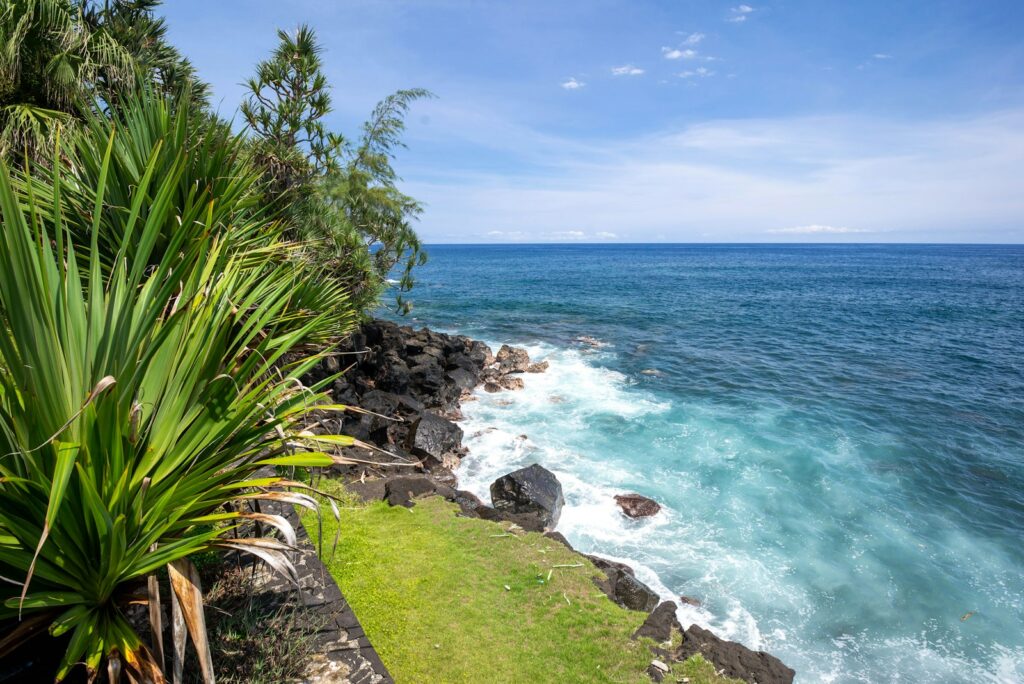
The coast is well suited to people who work in blocks, with short breaths between two tasks. Going outside for a few minutes, taking a short walk, or simply changing your perspective often helps you get back into the flow. It is also a useful setting for distinguishing professional time from personal time more clearly.
However, you should remain realistic: the seaside can also be livelier, brighter, and sometimes more tempting as a source of distraction. If your days are very busy or you need to remain focused for long periods, it is better to impose a clear routine on yourself.
Who this atmosphere is ideal for
- Freelancers and creative professionals who enjoy alternating work and short breaks.
- Employees who want a real break at the end of the day.
- Couples or families looking for a stay that combines work and time on the island.
Best practices on the coast
- Schedule the most demanding tasks at the start of the day.
- Plan calls during quiet time slots.
- Take a real break away from the screen.
- Don't try to turn every break into an outing.
If you are considering staying in the west, it may also be useful to read this article about the island's microclimates, as the atmosphere you experience depends greatly on exposure and the season.
The urban atmosphere: efficient, practical, reassuring for highly structured days
Not everyone works better in a vacation atmosphere. Some people are more effective in an urban setting, with a more predictable pace and an environment that more closely resembles their everyday life. This atmosphere may seem less exotic, but it is reassuring and often helps people stay focused.
It is particularly suitable for remote workers who alternate between meetings, team coordination, quick responses, and highly structured days. The brain stays in an action-oriented mode. The setting is less contemplative, but that can actually limit distraction.
Another advantage of an urban setting is practical simplicity. When you stay for several days, logistics quickly add to the mental load. A more organized environment allows you to save your energy for work instead of spending it on day-to-day arrangements.
On the other hand, if your main goal is to slow down and feel a strong break from everyday life, the city may feel less of a change of scenery. You therefore need to clarify your priority: maximize efficiency or seek a more contemplative atmosphere.
This atmosphere is often suitable if:
- you have a lot of video conferences; ;
- you need to remain highly responsive during the day; ;
- you like predictable days; ;
- you prefer to save your discoveries for your free time.
The atmosphere of the highlands and cirques: calm, perspective, deep concentration
If your priority is calm, the highlands and cirques offer a very different experience. Here, the goal is less the energy of movement than the quality of silence, perspective, and a more relaxed pace. For writing, designing, coding, analyzing, or moving forward on a demanding project, this atmosphere can be very favorable.
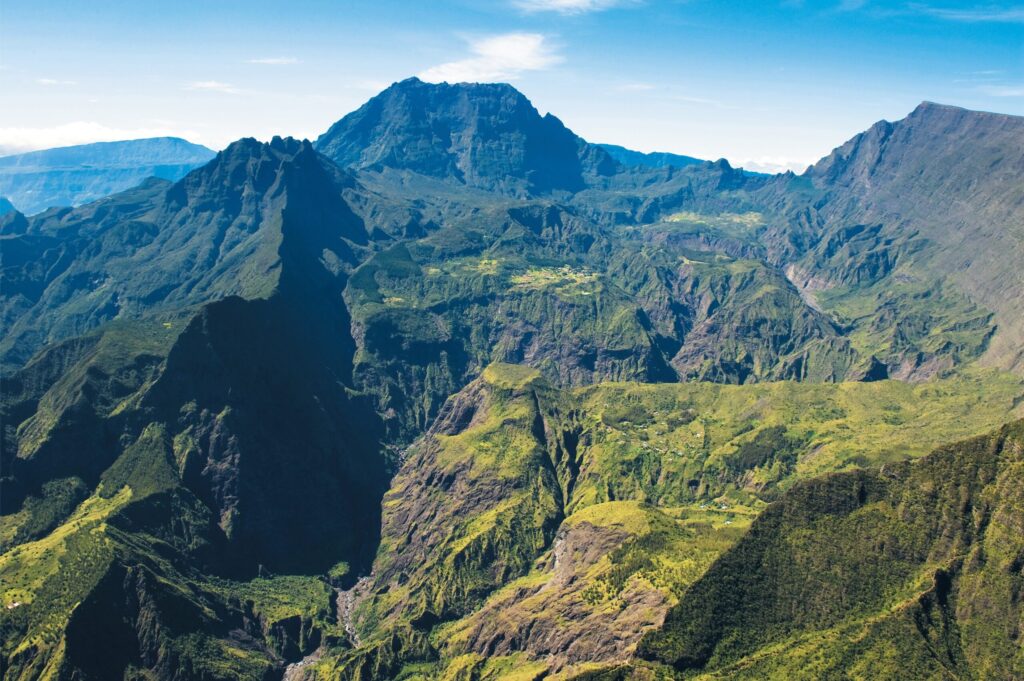
Réunion’s landscape is part of the island’s identity. The cirques attract visitors with their spectacular character and their sense of chosen isolation. In this respect, the official Cilaos website provides a useful overview of this mountain atmosphere, different breathing and a slower stay.
But this setting is not ideal for everyone. The deep calm can be unsettling if you need external stimulation to stay dynamic. It also requires more anticipation: you improvise your day less when you want to balance work and outings.
The profiles that fit in best
- People who work independently for long periods.
- Those who quickly become overwhelmed by noise and demands.
- Travelers who want a more introspective stay.
What to anticipate
- Plan your days in advance.
- Avoid overloading your breaks.
- Plan for genuine periods of mental breathing room.
If you are hesitating between the coast and the highlands, the advantages of a seasonal rental on the island can also help you better imagine your actual pace there.
The volcanic atmosphere: powerful landscapes, strong inspiration, rigorous organization
Réunion is a volcanic island, and this identity shapes certain landscapes that are more rugged, more open, and sometimes almost lunar. The Piton de la Fournaise naturally fuels this imagery. For a remote worker, the volcanic atmosphere does not necessarily mean working as close as possible to the volcano, but rather seeking an environment dominated by the power of the terrain and a clear sense of departure from the ordinary.
This setting can stimulate creative or strategic professions, or periods of significant reflection. It can sometimes help you step back, break out of your routine, and regain momentum. For a short stay, it is an atmosphere that leaves a strong impression.
In return, it requires discipline. It is not the best setting for constantly improvising or multiplying changes within the same day. It is better to clearly organize your work periods and reserve exploration for specific times.
When to choose this atmosphere
- To unlock a creative phase.
- To alternate deep work and intense discoveries.
- To seek a marked change of scenery.
When to avoid it
- If you need a very flexible routine.
- If you don’t tolerate weather variations well.
- If you don’t want to choose a dominant atmosphere.
Choose according to the way you work, not just according to the view
The most common mistake is choosing a place because it seems dreamy, then hoping you’ll adapt to it. In reality, the right approach is to start with your professional habits, then choose the atmosphere that is most compatible.
You work mostly by videoconference
Opt for a setting that is easy to manage, with little moving around. A well-structured urban or coastal atmosphere often works better than an overly mobile stay. The goal is to keep your days smooth and predictable.
You produce content, code, or analyses
Calm becomes more important than activity. Higher-altitude areas, some quieter parts of the coast, or a very stable routine often work well. Try to group outings together rather than fragmenting each day.
You manage a remote team
You need a reliable setting, but also a real buffer for unwinding. A balanced coastal atmosphere can work well, with structured days and a visual break in the evening. This contrast helps prevent you from remaining constantly tense.
You want to combine work with a stay as a couple or family
In this case, the atmosphere also needs to be enjoyable for those who do not work at the same pace. The coast is often the easiest place to live, as everyone can find their own rhythm. A base in Saint-Paul, such as those offered by Le Jardin de Corail, can thus help combine workdays with discoveries in the west without constantly changing environments.
Working around microclimates and changes in pace on the island
On Réunion Island, how a place feels depends greatly on the local climate, altitude, and time of day. An atmosphere that looks appealing on paper can be very different once you are there, depending on the season and your personal sensitivity. That is why it is useful to think about your week under real conditions, not just your ideas of scenery.
The right approach is to imagine typical days. Ask yourself:
- When am I most focused?
- Do I need light, fresh air, or silence to get off to a good start?
- Do I prefer to move around after work or during a break?
- What type of weather tires me out the most?
This reflection helps avoid many disappointments. The island is diverse, which is a real asset, but this diversity requires a minimum of adjustment. For an overview of the territory, this presentation of Réunion helps you better understand its geographical contrasts.
How to organize a week of remote work without being overwhelmed by the change of scenery
The change of scenery is part of the pleasure, but it can also be tiring. To ensure it remains an asset, it is better to plan a realistic week. The simplest principle is to choose a dominant atmosphere, then reserve the others for targeted getaways.
Example of a simple approach
- A consistent home base aligned with your work rhythm.
- Mornings dedicated to important tasks.
- Lighter ends to the day.
- One or two more memorable outings during periods free from work obligations.
This method limits dispersion. It also avoids the frustration of never knowing whether to work or enjoy yourself. A good workation is not one where everything is possible, but one where the structure supports what you can do with peace of mind.
To maintain balance:
- avoid a major outing just before a demanding day; ;
- plan quiet evenings after days filled with video calls; ;
- don't change your surroundings every day; ;
- leave room for the unexpected and for fatigue.
If you’re planning your stay as a whole, this budget guide for a week in Réunion can also help you frame your choices without overloading your schedule.
Mistakes to avoid when you want to “work in paradise”
The image of tropical remote work is dreamy, but it sometimes leads to poor choices. It’s better to stay practical to truly enjoy your stay.
Mistake No. 1: choosing based solely on the photo
A stunning panorama can’t make up for an atmosphere that doesn’t suit the way you work. If you need structure, an overly contemplative setting can eventually leave you distracted.
Mistake No. 2: trying to experience every atmosphere in a single short stay
Réunion is rich in landscapes and sensations. Trying to combine coastline, city, cirque and volcano while working can quickly become exhausting. It’s better to prioritize one clear focus.
Mistake No. 3: underestimating the fatigue of video calls while traveling
A change of scenery does not eliminate cognitive fatigue. When meetings pile up, a simple and stable setting is often more comfortable than an overly mobile schedule.
Mistake #4: ignoring your own chronotype
If you are highly efficient in the morning, some environments will be easier to handle than others. Conversely, if you hit your stride later, you need an environment that does not exhaust you before your actual productive time.
Mistake #5: not formalizing your remote-work rules
When traveling, boundaries quickly become blurred. Defining working hours, notification-free periods, and real break times remains useful. The guide available on modernisation.gouv.fr also emphasizes the importance of organization and respecting rest periods.
Frequently asked questions
What is the best atmosphere for a first work-from-home stay in Réunion?
For a first stay, a balanced coastal atmosphere is often the easiest to enjoy. It allows you to make the most of the island while keeping things fairly easy to organize. It’s a good compromise between a pleasant setting and practical arrangements.
Can you work remotely from Réunion while visiting the cirques and volcanic areas?
Yes, as long as you don't try to do everything every day. The most comfortable approach is to keep a main base for working, then save the cirques or volcanic landscapes for more free time. That way, you can better enjoy these settings without affecting your concentration.
Is the coast still the best place for remote work?
No, not necessarily. The seaside suits some people well, especially those who like to punctuate their day with visual breaks and a real change of pace in the evening. For very quiet, focused work, higher ground or a more secluded setting may be more effective.
How do I know whether to choose the city or a more natural setting?
Ask yourself a simple question: what tires you the most, noise or logistical unpredictability? If you like stable and practical days, a more urban setting will often feel reassuring. If you mainly need peace and quiet, nature will generally be more suitable.
Should you change locations during your stay to experience different atmospheres?
It isn’t essential, especially if you’re actually working during your stay. Changing environments often takes energy and disrupts your bearings. For many remote workers, a well-chosen main base remains more comfortable.
What type of traveler enjoys the volcanic atmosphere the most?
The volcanic atmosphere mainly appeals to travelers drawn to dramatic landscapes and memorable experiences. It suits those who like to plan their outings and alternate focused work with more intense moments of discovery. For a very flexible stay, it is not always the simplest option.
Can Saint-Paul be a good base for combining work and exploring the island?
Yes, for travelers looking for a base in the west with a coastal atmosphere and the opportunity to vary their outings during free time. This often makes it possible to keep workdays stable while discovering other sides of the island. This is where Le Jardin de Corail offers its seasonal rentals and concierge service.
 Français
 Español
 Deutsch
 English