
vanilla plantation Réunion
When the island tells its story through its scents: the experience of a plantation
On Réunion Island there are visits that leave a more lasting impression than a single photo: those where you walk among vines, shade structures and protective trees, following a warm, sweet scent that seems to hang in the air. Discovering a plantation is to enter a rhythm: that of the seasons, repeated gestures, patience. You quickly understand that vanilla, like coffee, is not a product but a story of terroir, altitude, rains, skilled hands and transmission.
The best part of this kind of outing is that it speaks to everyone: botany enthusiasts, food lovers, families, travelers seeking authenticity. You learn without getting bored, because the material is alive: leaves, flowers, pods, coffee cherries, drying racks, vats, fermentation smells… And above all, you often leave the plantation with a new perspective on what you consume daily. A simple spoonful of vanilla dessert, an espresso, a drip coffee: everything becomes more tangible.
Vanilla on the East Coast: a visit worth the effort (and to be savored)
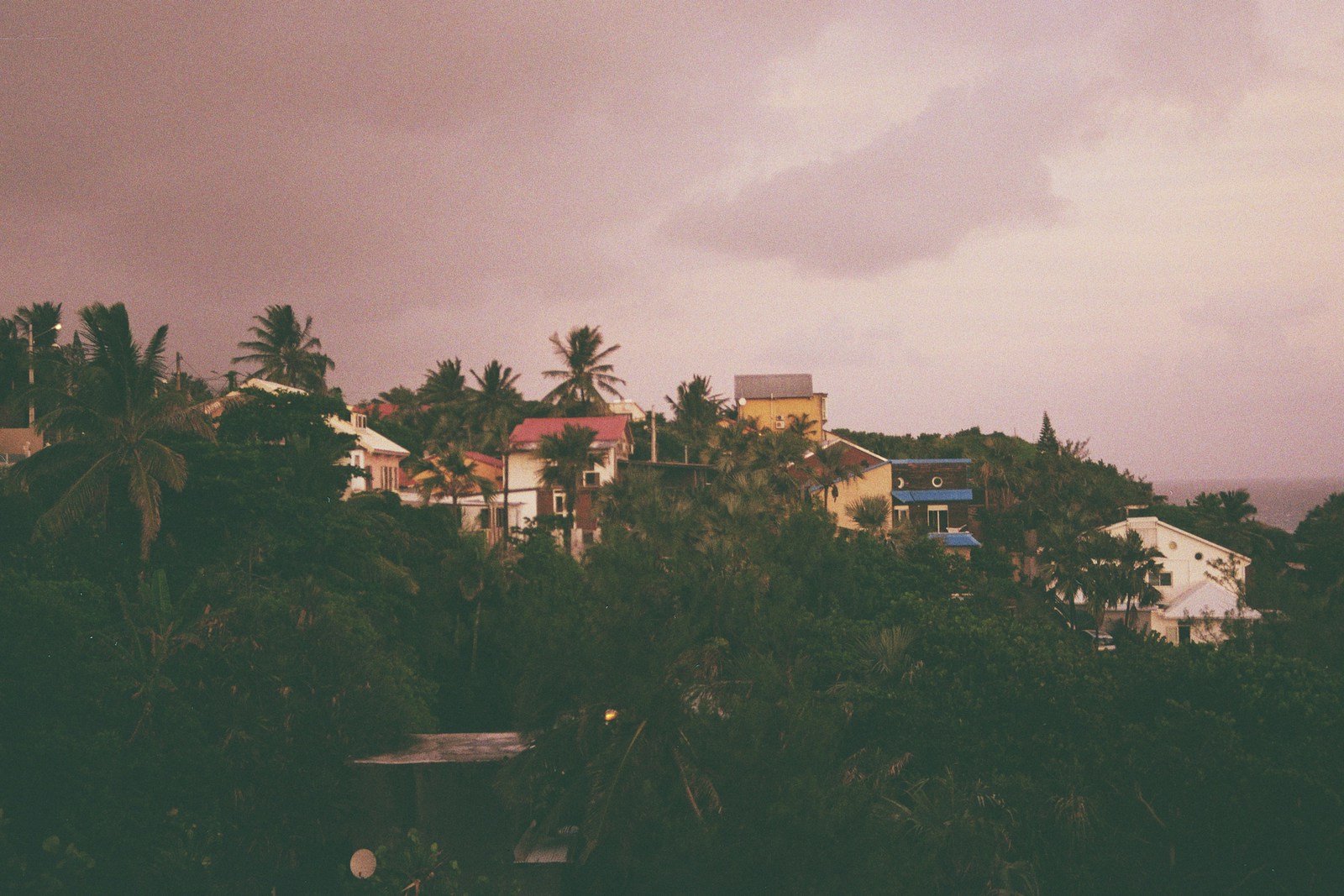
Although Réunion offers several atmospheres, the East Coast is often the most surprising. Wetter, greener, more jungle-like in places, it is particularly favorable to vanilla cultivation. The vanilla vine prefers warmth, filtered shade, regular humidity without excess direct sun. Here, a plantation rarely looks like a neatly aligned field: it is experienced as a small world under vegetation cover, sometimes sheltered by large trees or under carefully installed shade structures.
The visit often begins with a guided walk among the plants. You are shown how the vine climbs, how it is tied, trained, sometimes deliberately broken to stimulate flowering. As you move along, the explanations become more fascinating: the vanilla flower opens only very briefly, and pollination must be done by hand. It’s a detail that changes everything: without this precise gesture, no pod. And this gesture, passed on and perfected, is an integral part of the local agricultural heritage.
To go further on the subject, some resources are very comprehensive, for example this guide to visiting a vanilla plantation on the island, useful for better locating the areas, understanding the processes and choosing an experience suited to your travel style.
Behind the scenes: from the flower to the pod, an impressive transformation
One sometimes believes that vanilla already grows fragrant. In reality, the iconic scent appears after a series of complex steps: harvesting at the right moment, blanching, sweating, drying, aging. Each step alters the pod—its suppleness, color, moisture content, and above all its aromatic richness. On a visit, you often see drying racks, sweating boxes, and you understand that vanilla is almost manufactured in the noble sense of the word: guided, accompanied, revealed.
Our Vacation Rentals in Réunion
Producers usually emphasize one point: patience. Between pollination and the pod being ready for use, many months pass. Then comes more time for aging. This timeline contrasts with our habits of immediate consumption, and that is what makes the visit memorable. You leave with greater respect for the product and a better understanding of its true cost.
Depending on the place, you can also sense different intensities: more floral vanilla, more woody, more rum-infused, more pastry-like. These are not fantasies: origin, processing, aging, and even storage affect the nuances. Tasting (or rather sniffing) then becomes a real sensory discovery.
Choosing a vanilla plantation: concrete markers and realistic expectations
On site, you may hesitate: family plantation, more organized operation, very educational visit or a freer one… Before choosing, ask yourself a few simple questions: are you mainly looking for a walk or a technical explanation? Do you want to see the entire preparation process? Do you want a workshop (for example around the pods, vanilla sugar, the extract) or rather a tasting time?
It is also useful to remember that vanilla does not present itself the same way all year. Depending on the season, you may see more flowers, or rather pods forming, or stages of drying. This is not a flaw: it is the life of the plantation. A good visit guides your eye so that each period makes sense.
If you want to locate an address known for its hospitality, you can consult the La Vanilleraie website. There you will find practical information and an overview of what a structured discovery can be, between plant heritage and know-how.
Visiting with family: turning an outing into an adventure
The plantation is an ideal playground for children, provided the experience is made concrete: searching for vines, spotting pods, smelling different preparations, asking questions about the actions. Younger ones often get hooked when you explain the flower that only lives for a morning, or when you show them that the vanilla scent is not immediately in the plant. And since visits often take place in the shade, the walk can be pleasant even when it is hot.
For family-outing–oriented inspiration, an additional interesting read can be found here: a family discovery around vanilla. It helps imagine the flow of a visit with children, and anticipate the kind of explanations that capture their attention.
And if you travel with a very young child, organization matters even more: breaks, changing, hydration, a gentle pace, naps… To prepare best, this practical guide can help: useful preparation for a stay with a baby.
Coffee in Réunion: a more discreet, but fascinating culture
Vanilla naturally draws the spotlight, but coffee also has a strong Réunionnais story. It is sometimes encountered more sporadically, on hillsides, in creole gardens, or within small farms. Visiting a coffee plantation is to enter another temporality: observing the white, fragrant blossom, understanding the formation of the cherries, then the processing after harvest.
On some farms, they explain the major steps: pulping (separating the pulp from the bean), fermentation, washing, drying, sorting, roasting. Again, the smell changes everything: green coffee has nothing to do with roasted coffee. Visitors are often surprised to discover how much roasting is an art, with lighter profiles (acidity, fruity notes) or darker ones (body, bitterness, cocoa).
When visiting, keep in mind that coffee cultivation depends greatly on altitude, exposure, and microclimates. It’s not uncommon to also hear about biodiversity, soils, and companion plants. Coffee is not just a monoculture: it often interacts with other species and is part of local balances.
How to make the most of a visit: questions to ask and details to observe
A plantation is better discovered when you’re a bit active during the visit. A few simple questions can transform your understanding:
– At what time of year does pollination occur (for vanilla) or flowering (for coffee)?
– How long does the full cycle last, and which stages are the most risky?
– What distinguishes a supple pod from a pod that is too dry?
– How do you recognize a good roast, and what defects might you encounter?
Also observe what isn’t noticed at first glance: the shade (natural or artificial), soil moisture, plant density, presence of insects, ventilation of drying areas. These are clues to the care given to the crop. Finally, don’t hesitate to ask how to store vanilla properly (often away from light, in a closed but not airtight container) and how to use coffee according to its roast (espresso, filter, French press…).
Our Vacation Rentals in Réunion
Buying on site: better consumption, without making mistakes
Buying directly at the plantation can be a real pleasure: you know where the product comes from, you understand its price, and you can choose with full knowledge. For vanilla, favor supple, glossy, meaty pods that are not wet. Ask for the moisture content if it’s a very meticulous producer, and consider the intended use: pastries, infused rum, tea, savory cooking… Formats can vary (whole pods, powder, extract), with different qualities.
For coffee, the ideal is to buy whole beans if you can grind at home. Ask about the roast date: a freshly roasted coffee has a different aromatic brightness than an overly old one. And if you’re a beginner, ask for a simple tip: what grind setting, what ratio, which extraction method is recommended. Passionate producers love to share.
Linking plantation and Creole table: the natural connection between terroir and cuisine
A plantation visit makes you hungry, but above all it makes you want coherence: to taste the island through what it produces and what it cooks. Vanilla slips into desserts, of course, but it also appears in more subtle preparations. Coffee accompanies both the ends of meals and hiking breaks. And Creole cuisine, as a whole, helps connect these discoveries to the daily life of Réunion Islanders: spices, stews, rice, beans, rougails, and that way of balancing flavors.
To better understand what’s on your plate and why it tells the story of the island, you can read a guide to understand everything about Creole cuisine. And if you’re looking for an address or ideas for a typical meal after your visit, here are where to taste a good traditional cari.
Planning your day: roads, viewpoints and gentle travel
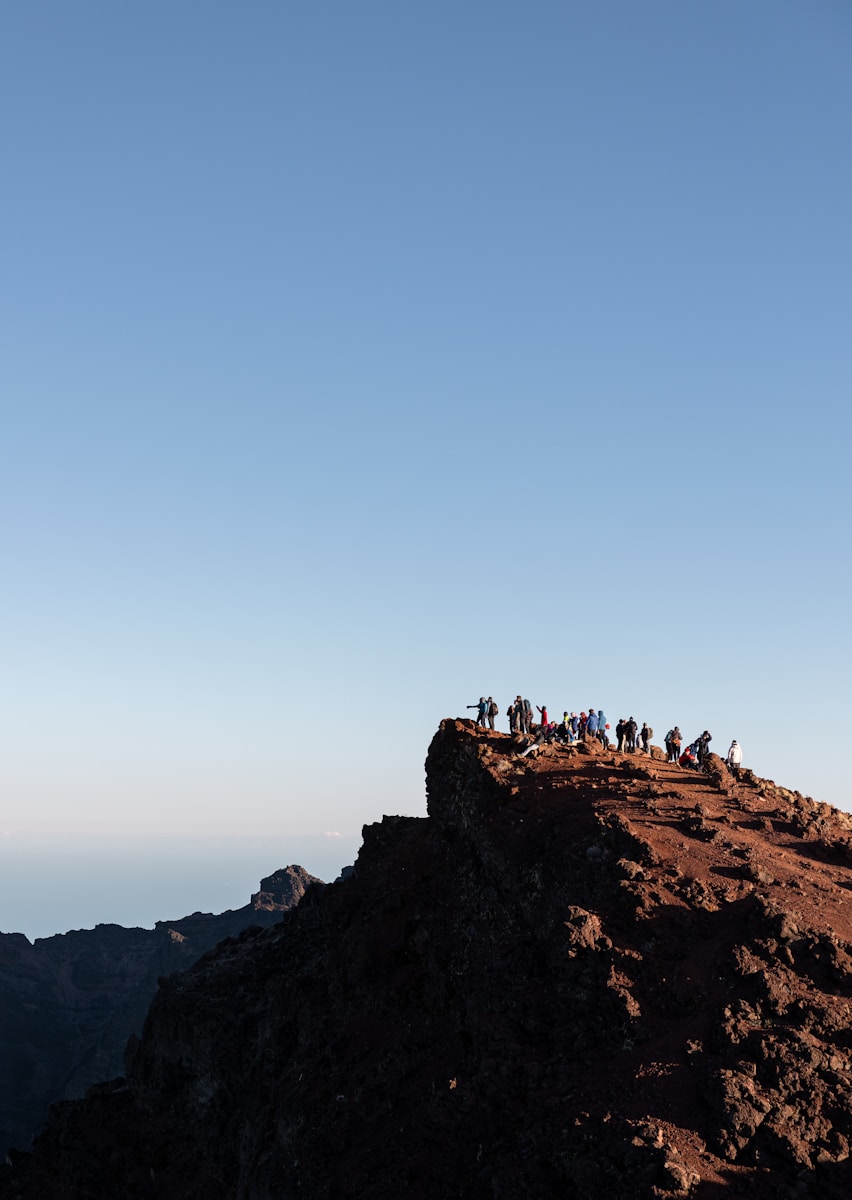
The pleasure of a plantation pairs well with a wider itinerary: an ocean viewpoint, a stop in a village, a short walk. the East coast and the inland roads often hold beautiful surprises, but you need to allow time: Réunion is earned, and distances are measured less in kilometers than in bends.
If you want to round out your program with easy panoramas, this guide can inspire you: views accessible by car. And for those who like to explore differently, there are also great options by bike (if you choose levels and elevation wisely): bike routes suitable.
Practical tips: weather, equipment, and small details that make all the difference
For a comfortable visit, wear closed shoes (wet ground, roots, slippery areas), insect repellent if you’re sensitive, and bring water. On the East coast, a shower can arrive quickly: a lightweight rain jacket often makes the difference. A bag to protect your camera or phone is useful, especially if the visit includes very humid areas.
Also adopt a respectful attitude: avoid touching the flowers, pulling on vines, or handling the pods without being invited. Producers sometimes have fragile plots, and vanilla requires constant care. The good news is that this respect makes the visit richer: you observe better, ask more questions, and the exchange becomes more authentic.
The charm of exchanges: meeting enthusiasts and hearing about the real long-term perspective
What strikes you most, ultimately, is not just the plant. It’s the people. Many producers speak about their work with calm precision: they know their plots as one knows a garden, but on a more demanding scale. They talk about climate hazards, difficult years, successes, tricks. They also tell of what is not seen: daily organization, sorting, drying, monitoring, and family transmission.
And then there is that particular, discreet pride in producing a noble product on a volcanic island, sometimes under complicated conditions. As a visitor, you quickly feel that the plantation is not a backdrop: it’s a workplace, but also a place of culture in the broad sense. You often leave with more than a bag of pods or a packet of coffee: you leave with images, smells, and phrases that stay.
Our Vacation Rentals in Réunion
Preparing your trip: choosing good accommodation to make it easy to get around
To fully enjoy the plantations (and avoid rushing), it’s best to choose accommodation that lets you base yourself according to your wishes: coast, more tropical East, cooler interior, or combinations. By planning a few days per area, you’ll gain comfort and time on the road.
If you’re looking for a base to organize your visits and explore the island at your own pace, you can consult the availability of accommodations.
Final tip: don’t look for the perfect visit, look for the one that suits you
A plantation can be very educational, very artisanal, very short or more immersive. Some tours focus on botany, others on processing, others on tasting and culinary uses. The best choice is the one that matches your curiosity at the moment. And if you’re still unsure, it can be helpful to read travelers’ feedback and questions, such as on a discussion thread dedicated to plantation visits.
In any case, taking the time to enter a coffee or vanilla plantation in Réunion is to offer yourself a rare interlude: an encounter between nature, know-how and taste. And it is often that interlude which, long after the trip, returns to memory whenever a scent of vanilla or coffee passes through the kitchen.
 Français
  Español
  Deutsch
  English