
best time whales reunion
Watching whales near Réunion Island by period: what really changes month to month
On Réunion, whale watching is not a fixed activity: from one month to the next, the likelihood of encounters, the types of behaviors visible (breaches, tail slaps, singing, mother-calf interaction), the sea (swell, wind) and even the most favorable areas vary. The right approach is therefore to plan your stay and sea outings not only around whale season but also according to marine weather conditions and how the animals use Réunion's coastline.
For practical reference on coastal sectors where to see them, you can consult where to see whales on Réunion, then refine based on the time of year you are traveling.
The observation calendar: understanding the seasonal dynamics around the island
Réunion lies on a major migration and breeding route for humpback whales. They are therefore not present year-round in comparable numbers: they arrive, settle in calving and breeding areas, then leave. That explains why the same spot can be very active at one time, then noticeably quieter a few weeks later.
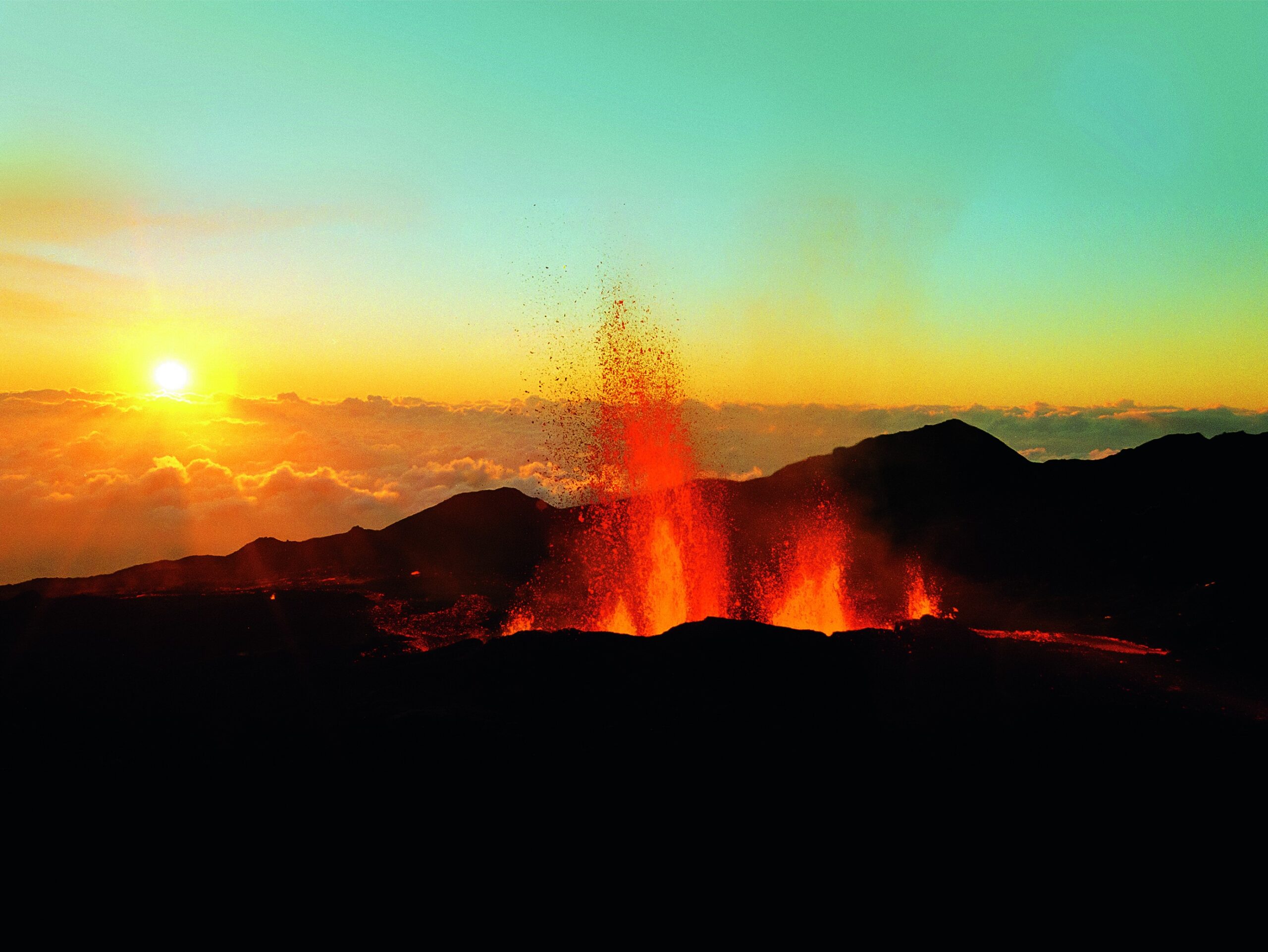
The west and southwest coasts, generally more sheltered from the trade winds and with often calmer seas, concentrate many outings. Shore-based sightings also occur, but distance and sea state greatly affect viewing comfort (and the ability to distinguish a distant blow from a wave).
From June to August: start of the season, sea sometimes rougher, pleasant surprises
The start of the austral winter often marks the first arrivals. June can be a transition month: you may already witness encounters, but with notable variability depending on the year. In July–August, presence becomes more regular, with individuals migrating and sometimes groups interacting. You then observe display behaviors (breaches, pectoral slaps, tail slaps), sometimes related to male competition or communication.
The downside of this early season is the weather context: southern swell, windy episodes, gusts and a rough sea can complicate outings on some days. Result: it’s best to plan several possible slots during the week and choose an outing as close as possible to a favorable weather window. For a simple overview of periods and outing possibilities, the page Baleine Réunion : Où et quand observer ces cétacés dans … provides useful guidance.
What you’re most likely to see at the start of the season
In June–July, you often observe individuals on the move, with sometimes quick passages. Breaches can be spectacular but more sporadic. It’s also a period when sea outings can be very contrasting: one day calm and rich in encounters, another quieter, depending on visibility and current activity.
Our Vacation Rentals in Réunion
From September to early October: the heart of the season, the best compromise
Across many years, September and the very beginning of October correspond to the peak of activity. Whale presence is generally more pronounced, and the chances of observing complete scenes (close blows, interactions, surface swimming, resting, even mating or chases) increase. Mothers and calves are also more frequently sighted, which profoundly changes the nature of the observation: you see slower behaviors, surface resting phases, and sometimes learning (the calf imitates, tests, plays).
If you want a clear summary of where and when, you can read Where and When to See Whales in La Réunion, , then choose your outing days while keeping a margin for the weather.
Why is this period so favorable
It often combines: (1) a high density of animals nearby, (2) varied behaviors because different profiles coexist (competing males, females, mothers with calves), and (3) sea conditions sometimes more lenient than the very start of the austral winter. That doesn't mean flat seas are guaranteed, but statistically, it's a window appreciated by observers.
Mid-October to November: end of season, tender scenes and more targeted sightings
As you move into mid-October and November, overall activity can gradually decrease, but encounters remain possible, notably with mothers and their calves who still use coastal areas before the big departure. Outings can then be very beautiful, more relaxed, with animals sometimes allowing prolonged surface observation.
On the other hand, the end of the season often requires more adaptation: you need to be prepared to travel further (on guided outings) and accept that a day may be calmer than in September. The advantage is that the atmosphere at sea is sometimes less crowded (depending on holiday periods), which can make the experience calmer.
December to May: off-season, what can be expected?
Outside the main window, humpback whales are much rarer around the island. Exceptional sightings remain possible, but they should not be the core of your itinerary. At this time, the most satisfying strategy is to build a balanced stay: lagoon, hikes, waterfalls, cirques, and nautical activities depending on the sea.
If your trip falls outside whale season, you can rely on very strong alternatives in Réunion. For example, plan a nature day towards the must-see waterfalls to maintain a big-show experience even without cetaceans.
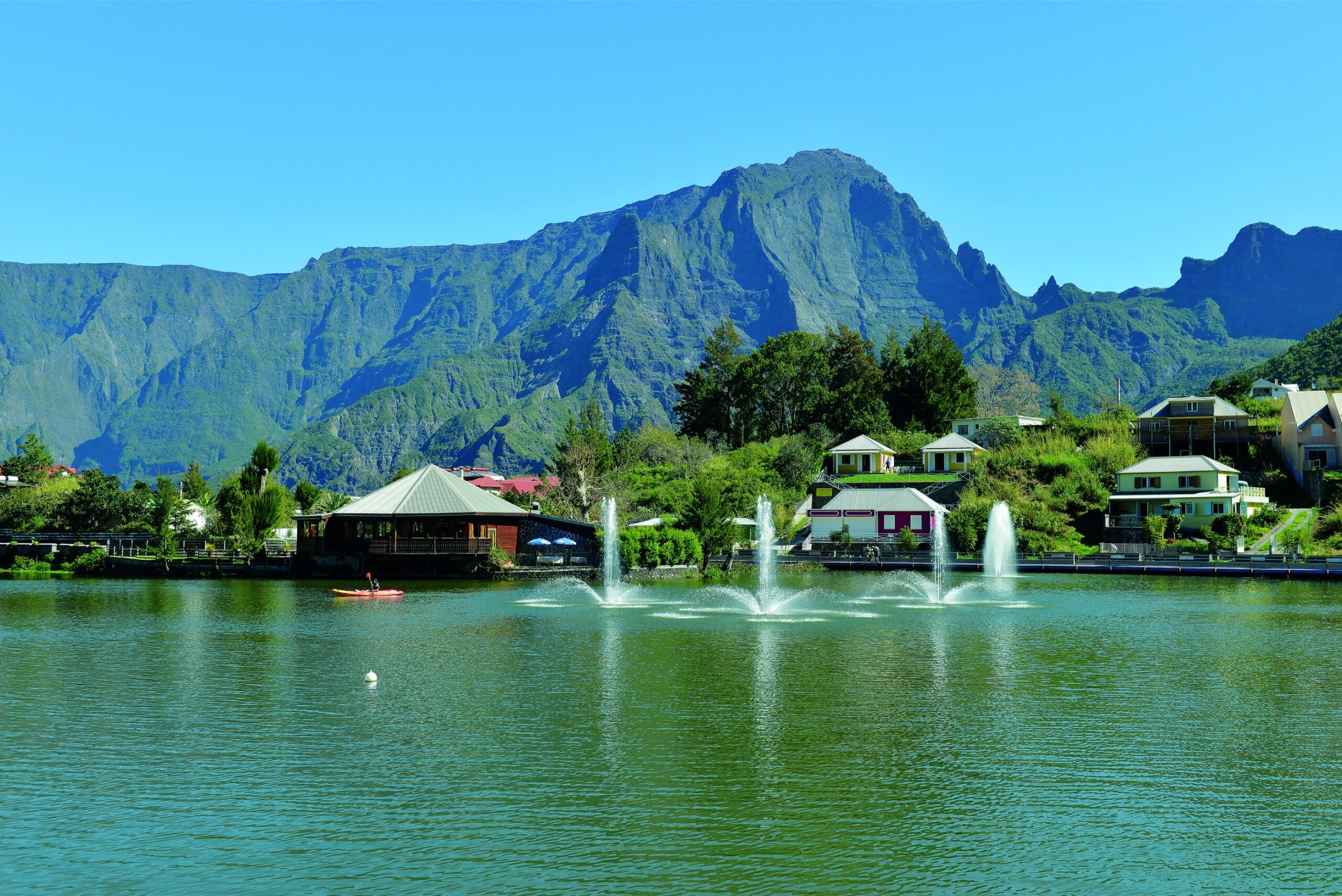
Choose the right area depending on the season: west, southwest, and observation from the coast
The west coast (Saint-Gilles, Boucan Canot, Saint-Leu) and the southwest zone (toward Étang-Salé, Saint-Pierre on the seaward side) are often favored, as they combine easy access, boat operators, and sometimes more sheltered conditions. The island's relief influences the wind, and swell does not affect all areas the same way. In practice: even in peak season, one area can be difficult in the morning and improve in the afternoon (or vice versa), hence the value of staying flexible.
From the coast, observation is mainly with the naked eye and binoculars. Blows are easier to spot early in the morning or late afternoon when glare is reduced, but visibility depends first on sea conditions. A choppy sea erases distant signs, even if the whales are present.
Understanding what you are observing: humpback whales, behaviors and signs
In Réunion, the most emblematic species is the humpback whale. Its surface repertoire is spectacular: breaches, pectoral slaps, tail beats, powerful blows, and sometimes repeated sequences. Mothers and calves can be very close to shore, favoring calm areas to rest and allow the calf to recover.
To identify behaviors and better understand what is at play (reproduction, communication, resting, movement), the resource All about humpback whales is a solid foundation.
Simple signs to spot (without disturbing)
The blow (a brief cloud above the surface) is the number one clue. Next, the direction of travel can be guessed from the repetition of blows and the position of the back. Breaches are sometimes heard before being seen if you are close. If you observe from the shore, keep your distance, avoid slippery areas and favor a high vantage point to gain perspective.
Sea outings: how to choose the right time slot and the right option
The season is not everything: timing and weather determine the quality of the experience. Early morning outings often offer a calmer sea, while some days improve after a wind shift. Ideally, plan a 2 to 4 day window during your stay so you can reschedule if the sea is too rough.
Our Vacation Rentals in Réunion
Regarding the option, there are pure observation trips, and others that are combined (sometimes with snorkeling depending on conditions and regulations). For an overview of practical organization, the article Whale watching in Réunion can help you structure your schedule.
Ethics and regulations: the golden rule
A successful sighting is a respectful sighting. Avoid any chasing behavior, keep appropriate distances, cut power or slow down to limit noise and stress, and always leave an escape route for the animal. Even when whales approach on their own, responsibility lies with humans: reduce pressure, do not encircle, and remain predictable.
Planning a whales + nature stay by season
The real luxury in Réunion is combining the ocean and the interior. During peak season, you can arrange 1 to 2 sea outings (with buffer days), then complement them with excursions into the cirques to vary the atmosphere and avoid frustration if marine weather deteriorates.
For example, if the sea is rough on a day planned for the outing, switch to a mountain day: Discovery of the Cirque de Cilaos offers a magnificent plan B, very different, and often compatible with average coastal weather.
Suggested pace for a week in September
Day 1: scouting observation points from the coast, testing the light (morning/evening). Day 2: sea outing if the weather window is good. Day 3: hike or cirque. Day 4: second whale attempt (if the first was so-so, or just to increase the chances of different scenes). Days 5-6: lagoon, water activities, waterfalls. Day 7: observation from the coast at sunrise, then return.
What to do on days without whales: sea, lagoon, cirques and alternatives
Even in high season, there are days with little sightings: rough sea, poor visibility, animals farther offshore, or reduced activity. The idea is not to compensate, but to enjoy the island otherwise. The west coast often allows switching to the lagoon if offshore sea conditions are difficult.
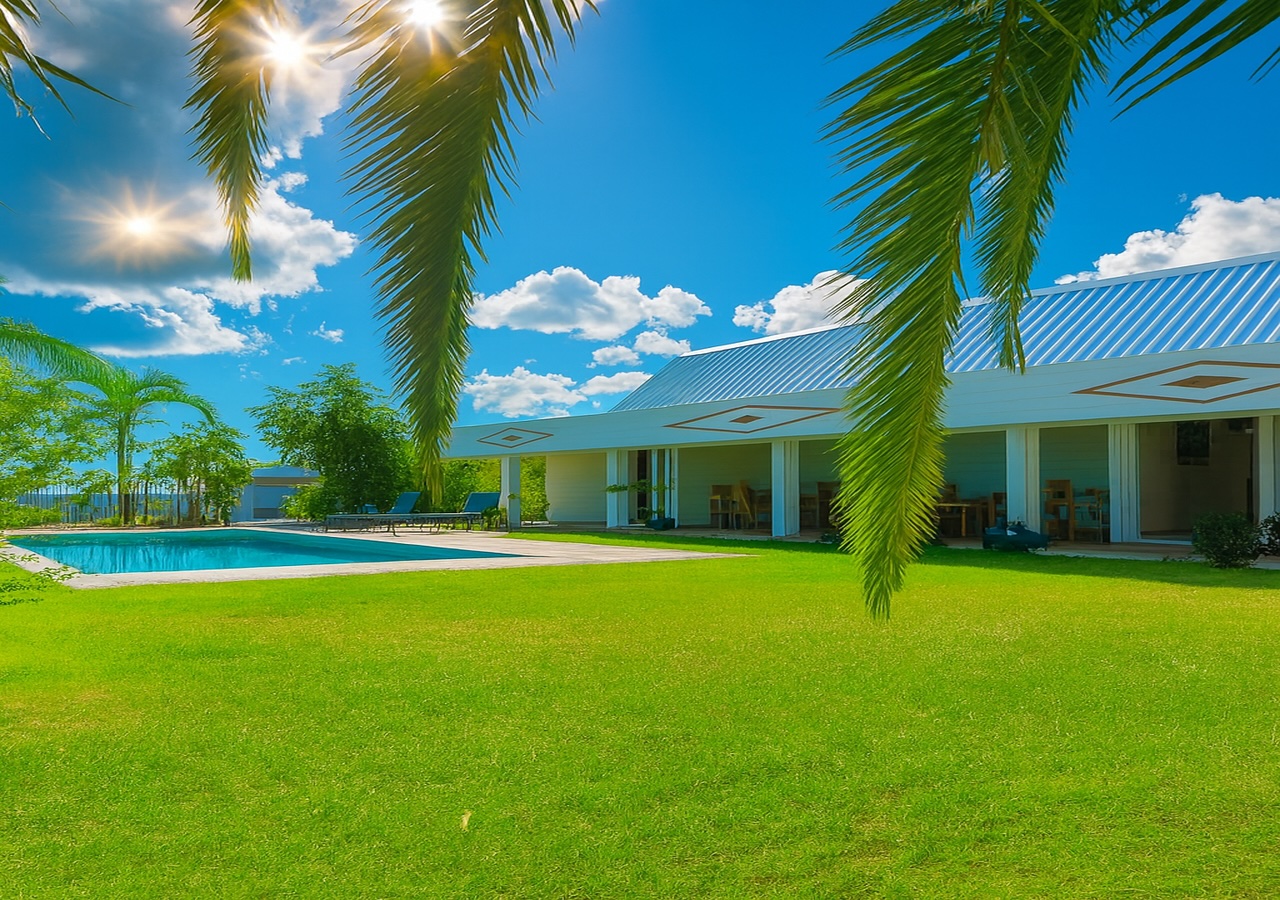
To complete your ocean-side program, you can look at the water activities available and, when lagoon conditions are good, plan a session from a suitable site via where to go snorkeling on the island.
Concrete tips to maximize your chances (without overloading your trip)
1) Allow flexibility: a broad time window is better than a single fixed day. 2) Book smart: if possible, choose an outing that can be rescheduled according to the weather. 3) Watch the sea: slight swell doesn’t prevent everything, but a very choppy sea makes blows hard to spot and increases fatigue on the boat. 4) Pack simple gear: hat, sunscreen, windbreaker, and if you’re prone to seasickness, prepare in advance. 5) Vary your viewpoints: observing from the shore at sunrise can complement a boat trip and offer a different rhythm.
Where to stay to easily get between boat trips and excursions
Since whale time slots can depend on the weather, staying somewhere that lets you move easily (west/southwest coast, or a central point depending on your plan) greatly simplifies logistics. The goal: reduce travel time on the day, and save energy to enjoy the rest (waterfalls, hikes, cirques).
To plan your accommodation and set your dates according to the most interesting period, you can consult Our Vacation Rentals in Réunion.
In short: which period to choose based on your profile
If you want to maximize chances of encounters and variety of scenes: aim for September to early October. If you prefer an early season with surprises and a rawer atmosphere (but sometimes a more demanding sea): July–August. If you’re looking for calmer sightings, potentially focused on mothers and calves, with sometimes lower attendance: mid-October to November, accepting greater variability.
In any case, the best choice remains the one that combines: a favorable period, several days of flexibility, and an island discovery program that remains exciting even if the sea sets the rules.
 Français
 Español
 Deutsch
 English