
Réunion buses: getting around Réunion Island by bus mainly requires a few good reference points, because the network is extensive but fragmented, with schedules that vary by area, connections to plan ahead for, and geography that can quickly lengthen travel times. The goal of this article is simple: to help you plan realistic journeys, avoid common pitfalls (endless waiting, choosing the wrong stop, missing the last bus), and make the most of the island without a car, or by intelligently combining bus + walking + taxi/ride-hailing service.
Understanding how the networks work: intercity, urban, and zones
On the island, there is not one single network, but a combination of intercity lines and urban networks specific to certain urban areas. In practice, this means you can cross part of the island with an intercity line, then switch to a local network to reach a beach, neighborhood, market, or trailhead.
The main coastal routes (North–West–South, and the eastern side) are generally easier to travel by bus than the mountainous interior. The reason is obvious: terrain, winding roads, changing weather, and lower population density. As a result, the farther you move from the coast and urban centers, the lower the frequencies, and the more punctuality depends on traffic and conditions.
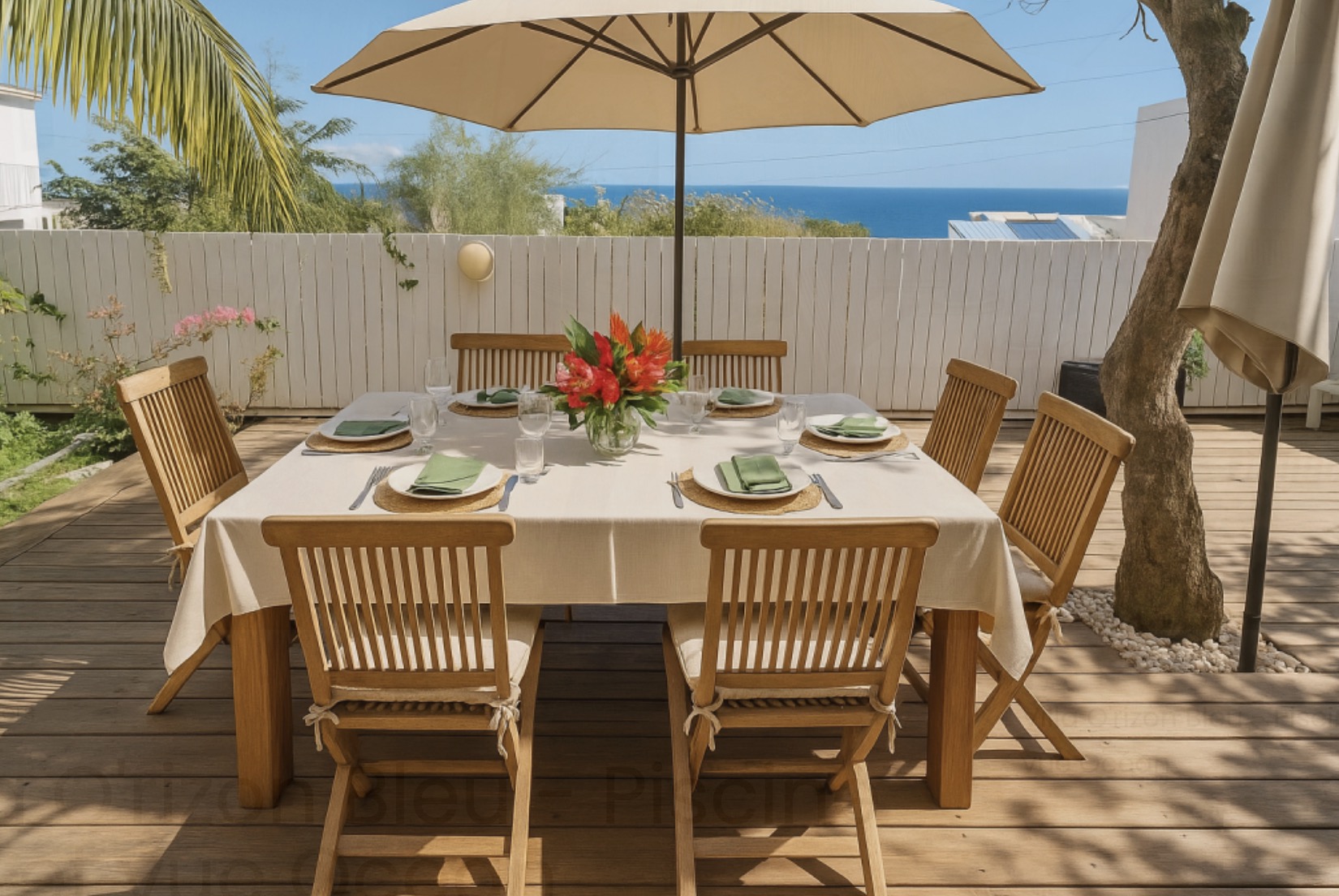
For an overview of mobility options (buses, alternatives, points to consider), you can consult Traveling to Réunion: how to get around the island?, which is useful for placing buses within a realistic transportation mix.
Practical tips before boarding
Identifying the right stops (and the right side of the road)
A simple tip that avoids a lot of stress: always check the direction of travel and the actual direction served by the stop (some stops face each other but do not serve the same direction). On Réunion, the terrain and road layout can also mean that two nearby stops actually involve a significant detour on foot.
Arrive early, especially if you’re taking a connection: an early bus happens, and so does a late bus. It’s better to consider the time as a target, not a promise.
Buy your ticket and have the exact change ready
Depending on the lines and zones, payment methods may vary. Have some change or a way to pay quickly, especially when the bus is crowded. If you’re traveling in a group, decide in advance who pays for what: this makes boarding smoother and limits tensions, particularly on lines serving school areas or during peak hours.
Travel light and plan for the weather
The island can surprise you: a departure in the sunshine can end in heavy rain, and the temperature can drop quickly as soon as you gain altitude. Bring an extra layer, rain protection, and water. Buses are a good solution, but waiting at stops can leave you exposed (sun, showers, wind).
Read a route: frequency, connections, real-time information
Our Vacation Rentals in Réunion
The challenge is not so much finding a line as building a coherent journey: the first bus’s schedule, the connection, and then the last bus back. The right approach: plan in both directions. Many travelers organize the outbound journey… and end up stranded on the way back.
A few practical pointers:
– Frequencies are better on weekdays, during commuting hours (morning/late afternoon).
– Saturday service may be adequate on some routes, but lighter on others.
– On Sundays and public holidays, frequencies may drop: always check, especially if you’re planning an activity outside the city.
For official information and general advice tailored to visitors, the page Local transportation | Réunion Island … is a good starting point, especially for cross-checking information before your stay.
Routes that work well by bus (and those that require adjustments)
The coast: the smoothest option
Along the coast, journeys are generally more direct: towns follow one another, demand is steady, and there are more stops. This is often the best choice if you want to get around without major constraints: markets, town centers, seafronts, ports, shopping areas.
Inland areas: allow time for walking, transfers, and contingencies
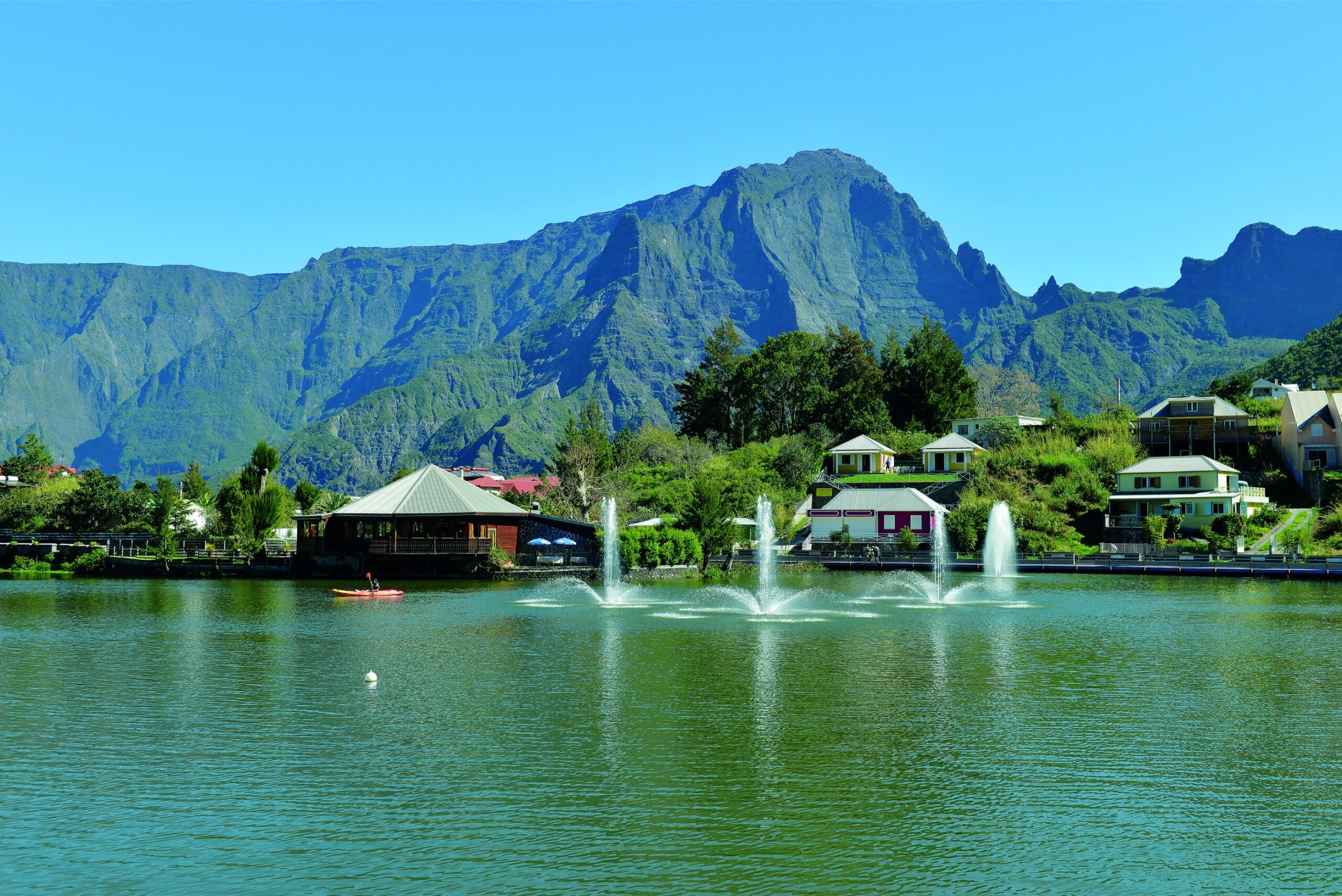
To reach cirques, viewpoints, or certain trailheads, you may sometimes need to combine bus + walking, or bus + another mode (taxi/VTC, or even carpooling). The bus remains useful for getting closer, but not always for reaching the exact point. In that case, avoid improvising: identify a fallback point (a busy stop, a town center) and a Plan B in case the weather changes.
If you’re looking for a field-oriented overview of mobility options, How to get around Réunion Island provides practical guidance, especially if your travel is connected to nature activities.
Regional focus: getting around by bus in the East
The East is often seen as greener, wetter, and a little less straightforward to navigate by public transport if you do not plan your schedules. Yet, there are effective ways to connect the municipalities, provided you pay attention to frequencies and end-of-day timetables.
For targeted information about this area, the article Getting Around by Bus in the East of Réunion Island is particularly relevant: it helps you understand the local options and think step by step rather than planning a single overly ambitious journey.
Timetables, last buses, and common mistakes to avoid
The main mistake visitors make is underestimating the last departure factor. On some routes, the last bus may be relatively early, especially outside the major hubs. Add an unforeseen event (shower, traffic jam, missed connection), and you lose the day… or find yourself having to pay a lot for a taxi ride back.
Common mistakes and solutions:
– Do not check the return journey : first choose an activity compatible with the last bus schedule, then build your day around it.
– Connecting too many legs : it is better to have one main route + a short alternative than three connections that make you dependent on punctuality.
– Confusing a theoretical stop with a practical stop : some stops exist on paper but are not very comfortable (no shelter, hard to see, roadside). Identify a more central stop if possible.
Comfort and safety: travel with peace of mind every day
Overall, taking the bus is an economical and fairly simple solution, but a few habits significantly improve your comfort:
– Keep your valuables close to you (closed bag, put your phone away when you doze off).
– If you are traveling with children, position yourselves so you can get off easily (especially with a stroller or beach bags).
– During the hottest hours, opt for a water bottle and a cap: the wait can be more taxing than the journey.
For background information on how transportation is organized and local habits, Transportation in Réunion | Lonely … can supplement your research, especially if you are comparing buses with other means of transportation.
Adapting your travel to microclimates and the season
In Réunion, the weather is not simply a matter of sun or rain: it varies according to altitude, exposure (the East tends to be wetter, the West drier), and even the time of day. This directly affects your bus journeys: slippery roads, reduced visibility, delays, and more uncomfortable waiting times.
Understanding local variations will help you choose the right time slot (for example: aiming for early morning in certain areas, or avoiding certain high-altitude locations when clouds linger). To better anticipate conditions, the article Understanding microclimates on Réunion Island. provides very practical guidelines for planning your outings and journeys.
And if you are traveling during the wettest period, allow more time for connections and plan a sheltered option in case of heavy showers. You will find directly actionable advice here: Traveling to Réunion Island during the rainy season: tips.
Our Vacation Rentals in Réunion
Organizing stress-free bus + beach days
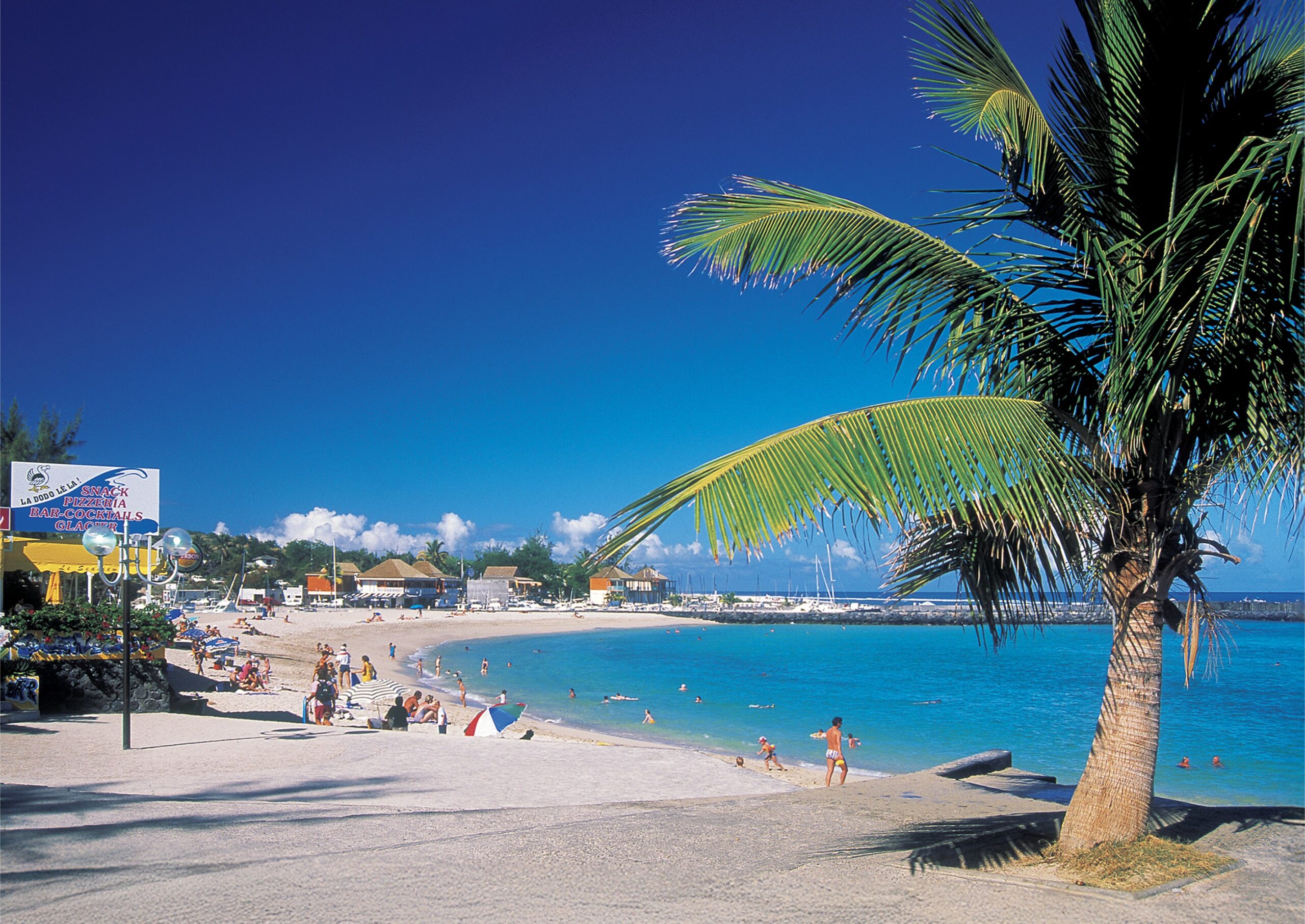
Going to the beach by bus is entirely feasible, provided you choose spots that fit the schedules and limit transfers. Ideally: a beach close to a town center or a well-served route, with shops nearby (water, snacks, pharmacy) and a relatively comfortable waiting area for the return trip.
If you are traveling with family, favor supervised beaches or those known to be more suitable, and check how easy it is to walk there from the stop. To select suitable places, you can refer to Safe family beaches on Réunion Island.
For variety, some black-sand beaches are also a great option, but thermal comfort (hot sand) and exposure can affect your planning (schedules, footwear, amount of water). Useful pointers here: The black sand beaches of Réunion Island: characteristics.
Bus trips and sightseeing: markets, heritage, and cultural outings
The bus is particularly useful for hub-and-spoke sightseeing from a base: you stay in a well-connected area, then explore in half-day trips. This is often more efficient than trying to tour the island in a single day using public transportation.
To enrich your travels, consider stops that provide access to cultural sites and historic neighborhoods. Some itineraries can also be built around themes: gastronomy, architecture, industrial heritage. In this respect, an exploration of sugarcane landscapes and places linked to the sugar industry can work very well with bus journeys and a little walking. To put your discoveries into context, here is a resource: History of sugarcane on the island of Réunion.
Optimizing your base to reduce transfers
The choice of accommodation changes everything: if you stay near a well-served route, you reduce transfers and gain flexibility (an improvised outing, a late return within the limits of the network, less stress if a bus is canceled). Conversely, a very isolated accommodation may be beautiful, but it makes you dependent on infrequent schedules.
An effective strategy is to choose a convenient base, then fan out from it depending on the day: one beach day, one market day, one day hiking somewhere accessible, and one day visiting a more distant site with an early departure. If you are looking for accommodation suited to an organization without a car or partly without a car, you can consult Our Vacation Rentals in Réunion.
Final checklist: travel by bus with good habits
– Check the route in both directions (outbound + return) before setting off.
– Allow extra time for connections and weather-related disruptions.
– Bring water, rain/sun protection, and a light layer.
– Identify a backup stop (town center, bus station, sheltered place).
– Avoid planning too many stops in the same day: fewer is better, but better planned.
Traveling by bus on Réunion Island is an excellent way to travel differently: more slowly, more attentively to the scenery, often more economically, and sometimes more simply than you might imagine… provided you plan methodically. With these guidelines, you can create realistic days, limit waiting times, and fully enjoy the island, whether your itinerary is focused on the beach, nature, or culture.
 Français
 Español
 Deutsch
 English