
when to go Réunion
Understanding the seasons in Réunion: two atmospheres, a thousand microclimates
On the island of Réunion, the question of the best seasons is never reduced to a simple calendar. The island combines two major climatic periods — a hot, humid season (often called the austral summer) and a cooler, drier season (austral winter) — to which highly marked microclimates are added. In practice, this means it can be sunny and hot on the west coast while showers cool the highlands, or the cirques are bathed in light while the east receives clouds driven by the trade winds.
This diversity is what makes a trip so rich: you can alternate beaches, hikes, waterfalls, Creole villages and volcanic viewpoints without ever experiencing the same weather two days in a row. But it also requires a strategy: choose a period according to your priorities (hiking, swimming, whale watching, festivals, road trips, photography), and adapt your itinerary to the topography (windward coast, leeward coast, high plains, cirques, volcano).
From May to October: the dry season, ideal for hiking and exploring
For many travelers, the period from May to October is the most comfortable. Temperatures are milder, humidity drops significantly, and the days are particularly suited to outdoor activities: long hikes, excursions into the cirques, viewpoints at sunrise, and driving itineraries with frequent stops without fearing the mugginess. Evenings can be cool in the Highlands (notably around Cilaos, the Plaine des Cafres or the Maïdo), which makes sleep more pleasant after an active day.
It is also a season that eases logistics: fewer storms, trails often more passable, and more stable visibility over the relief. Be aware however: dry does not mean rainless. Showers remain possible, especially on the east coast and at altitude, but they are generally briefer and less intense than during the austral summer.
Hiking and relief: when to target the cirques and panoramas
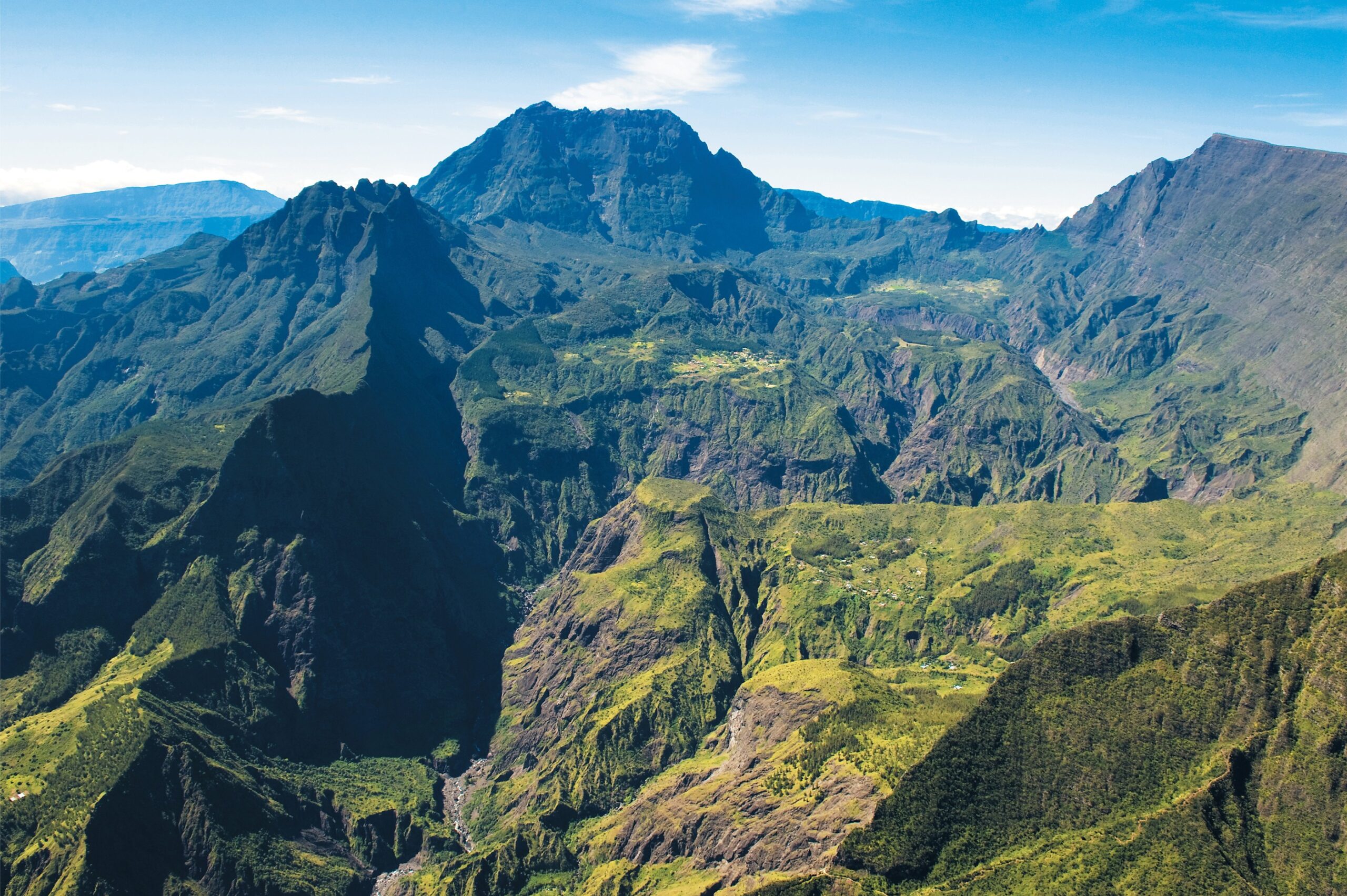
If your main objective is walking, it is the simplest time to chain the must-sees. Réunion’s elevation changes are demanding, and humid heat can quickly turn a hike into a trial. In the austral winter, exertion is more comfortable and visibility on the ridges is often better, which enhances the viewpoints and the windows onto the cirques.
The Cirque de Salazie, very green all year round, can be visited in any season, but it takes on a particular aspect when clouds dissipate more easily in the morning. To prepare an outing between villages, waterfalls and panoramas, you can consult this guide: discover the landscapes and villages of Salazie.
Waterfalls, pools, forests: a favorable period for explorations
Réunion's waterfalls can be discovered year-round, but the cooler season often offers safer access: less muddy trails, reduced risk of sudden floods, and pleasant temperatures for walking in the forest. Photography enthusiasts also appreciate this period, as the light is often softer and the atmosphere clearer on the highlands.
Our Vacation Rentals in Réunion
To choose spots suited to your level and itinerary (east, south, highlands), you can draw inspiration from this selection: the most beautiful waterfalls to include in your route.
From November to April: the austral summer, between tropical energy and weather vigilance
The hot, humid season from November to April reveals a more tropical Réunion: explosive vegetation, intense colors, heat ideal for swimming, and a pronounced holiday vibe along the coast. It’s an appealing period if you primarily seek sun, water activities, and a summer atmosphere.
In return, you must deal with more frequent, sometimes stormy rains, and a cyclone risk that requires staying attentive to weather bulletins. That doesn’t mean you can’t travel: many stays go very well, provided you’re flexible (postpone a hike, favor the leeward coast some days, aim for early-morning outings, plan cultural or gastronomic B plans).
Water activities: the sea as a playground
When the sea is welcoming and temperatures are high, the ocean becomes the trip’s center of gravity: boat outings, swimming, paddleboarding or kayaking introductions, and more broadly all activities that take advantage of warm water. Exact conditions vary by season, swell, and area, but the austral summer naturally attracts those who want to maximize time in the water.
To get an overview of on-site options (and choose according to your profile, more relaxation or more thrills), here is a useful resource: see activities at sea and along the coast.
Snorkeling: visibility, protection, and choosing spots
Réunion has areas suitable for underwater observation, notably near lagoons and reefs, where you can admire tropical fish and shallow seabeds. The best window, however, depends on swell, wind, and water clarity: some weeks are perfect, others less so, even during the right season. The important thing is to be guided by the day's conditions, to favor monitored areas, and to follow safety and conservation guidelines.
To find suitable spots and learn how to organize your outings, you can consult: where to practice fins-mask-snorkel exploration.
June to October: the whale high season, a highlight of the trip
Each year, the island becomes a prime observation point for humpback whales during their migration and breeding. This period — often centered between June and October with variable peaks — can turn an ordinary stay into a major memory, whether you are a marine wildlife enthusiast or simply curious. Excursions are conducted in compliance with approach rules, with regulated operators, and sightings can range from a simple blow offshore to impressive scenes (breaches, fins, interactions, presence of calves).
The exact timing and sea conditions matter: to choose the right month and understand the most favorable windows, you can rely on this local guide: the best times to observe whales.
Choose your season according to your type of trip
Rather than searching for a perfect period — it doesn’t exist — it’s more effective to match a season to a style of stay. Here are simple guidelines to decide, taking into account on-the-ground realities (altitude, variable weather, diversity of coasts).
For a balanced first trip (nature + beaches + walks)
A stay between May and October makes general discovery easier: more comfortable hikes, smoother travel, and swimming opportunities in suitable areas when the swell allows. It’s often the best compromise for a first time, as you minimize weather-related uncertainties without giving up landscape variety.
For a 100% sea trip (swimming, relaxation, water sports)
If your priority is to spend as much time as possible in light clothing, enjoying the water and the summery atmosphere, the warm season can be very appealing. Just allow more flexibility: an outing may be moved to the next day, and a very wet day can turn into a day of culinary discovery, market visits, or village exploration.
For regular hikers and lovers of grand viewpoints
Réunion’s reliefs give their best when the heat doesn’t crush the effort. Between May and October, you can more calmly plan ambitious routes and repeat sunrises (one day may be overcast, the next perfectly clear). Remember to set out early, as clouds often settle in the Hauts as the day progresses, whatever the season.
Our Vacation Rentals in Réunion
For photography and spectacular light
The cooler season is appreciated for its cleaner light on the reliefs and less hazy contrasts, while the austral summer offers dramatic skies and intense tropical scenes after rain. In both cases, the key is anticipation: very early starts, scouting viewpoints, and accepting changeable weather that can, paradoxically, create the most beautiful images.
Quick calendar: what to expect month by month (without rigidity)
Without boxing the island into categories, here is a useful framework. At the start of the year (January to March), the heat is strong and showers are more likely, with particular attention to cyclonic episodes. April and May are often pleasant transition months: the air begins to dry, the sea remains warm, and you find an interesting balance. From June to August, the austral winter sets in: milder temperatures, cool evenings in the Highlands, and very good conditions for hiking. September and October generally extend this stability, while announcing a gradual return of warmth. November and December bring back the summer vibe, with rising humidity.
Practical tips for enjoying the good season… even when it changes
In Réunion, the success of a trip depends less on the exact date than on the organization. Always pack a light sweater for the Highlands, even in the austral summer: altitude can surprise. Conversely, keep protection from the sun on the coast, including during the austral winter. For hikes, start early and check trail conditions, especially after heavy rains. Finally, plan your itinerary with geographic logic: if it’s cloudy in the east, shift to the west; if the summits are shrouded, enjoy villages, lower viewpoints, or sea activities if conditions allow.
To compare climatic benchmarks and period trends, you can also consult dedicated resources, for example a practical guide to travel periods, an overview of the best windows according to your preferences, a note on climate and seasonality or seasonal tips by type of experience.
Book at the right time: crowds, budget, and on-site comfort
The drier season often corresponds to higher demand, especially during school holidays and certain highly sought-after weeks. This can affect prices and accommodation availability. Conversely, the wet season can offer interesting opportunities, particularly for flexible travelers able to shift an activity according to the weather. In any case, booking early remains an advantage when you are targeting a specific period (whales, winter holidays, long weekend) or a specific location (near the lagoon, trailhead, mountain village).
To organize your stay and secure your accommodation for your travel dates, you can check the availability of our accommodations.
Conclusion: the best season is the one that matches your Réunion
Réunion can be visited year-round, provided you align your expectations with the realities of the climate and terrain. From May to October, you gain comfort and ease for exploring the island on foot and by car. From November to April, you enjoy a more pronounced tropical energy, ideal for the sea, with sometimes more capricious weather that requires flexibility and caution. Add the magic of whale season, and you get a destination where the calendar is not a constraint but a tool to create the trip that suits you.
 Français
 Español
 Deutsch
 English