
parks and reserves Réunion
The wild heart: cirques, escarpments and forests of the National Park
To feel the island at its most spectacular, nothing beats the high relief where clouds cling to the escarpments and trails wind among tamarinds, tree ferns and ancient lava flows. The National Park shapes much of this wild experience: it is what protects the large cirques and massifs, while making responsible exploration possible through a network of routes and interpretation sites.
Before leaving, a stop at the official site of the Réunion National Park allows you to identify sensitive areas, safety recommendations and rules of good conduct (habitat restoration, limiting trampling, waste management). This preparation changes everything: it helps choose a trail suited to your level, anticipate the weather, and understand what makes these landscapes so fragile.
Mafate: the roadless adventure
In Mafate, the feeling of isolation is immediate: no road access, only trails and a few scattered accommodations. The vistas are earned, but every climb is rewarded with sweeping views of the little hamlets, the escarpments and the ridges. Ideally walk light, respect quiet zones (especially near ravines), and bring plenty of water: the sun can be strong even when clouds shroud the summits.
Cilaos: forests of cryptomerias, ravines and viewpoints
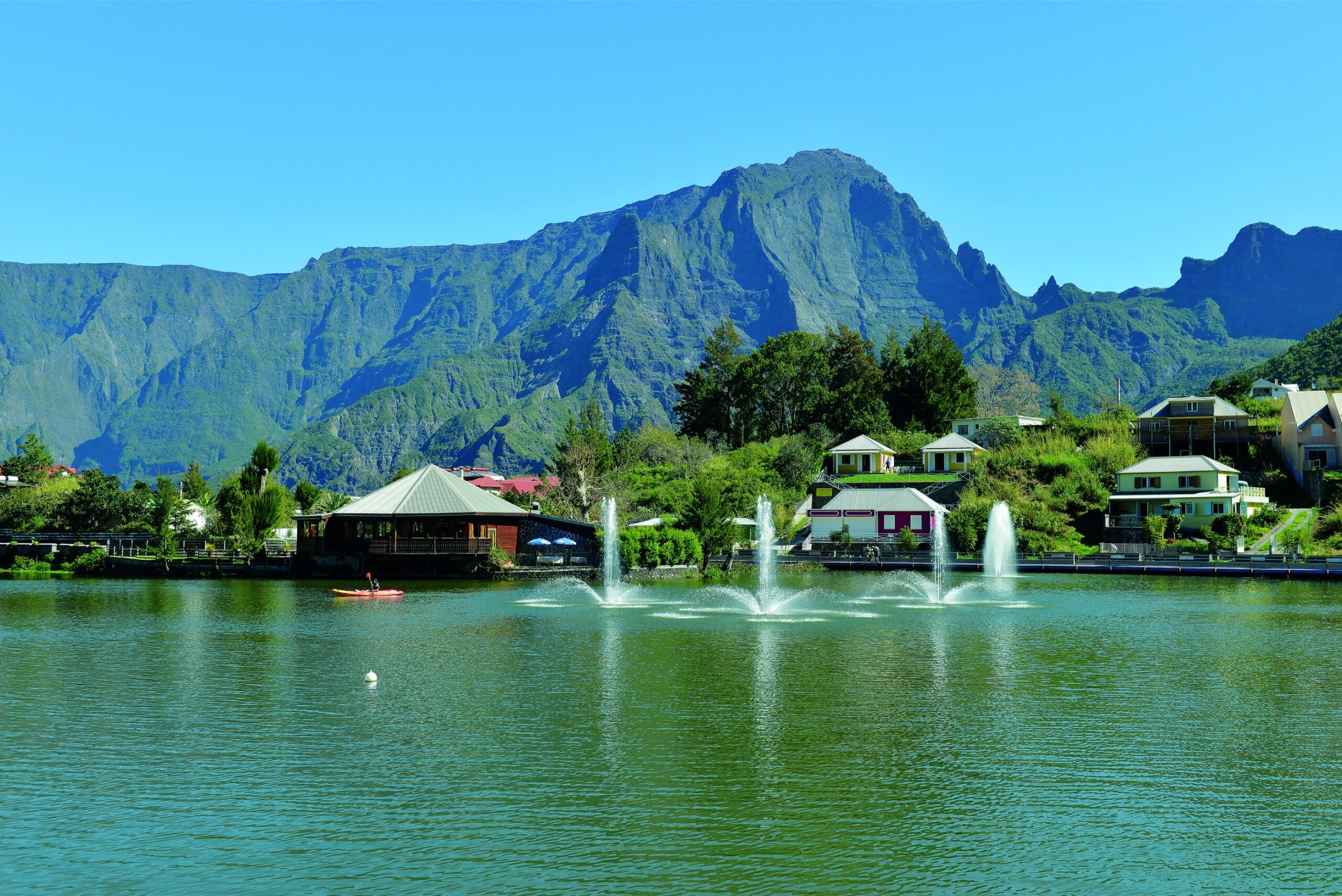
Cilaos combines mineral landscapes, high-altitude forests and trails that play with shifts in light. It’s a playground for walkers: family strolls, more strenuous hikes to viewpoints, woodland routes. In the cool season the air is especially pleasant and horizons often clear at sunrise.
Salazie: water, moss and waterfalls
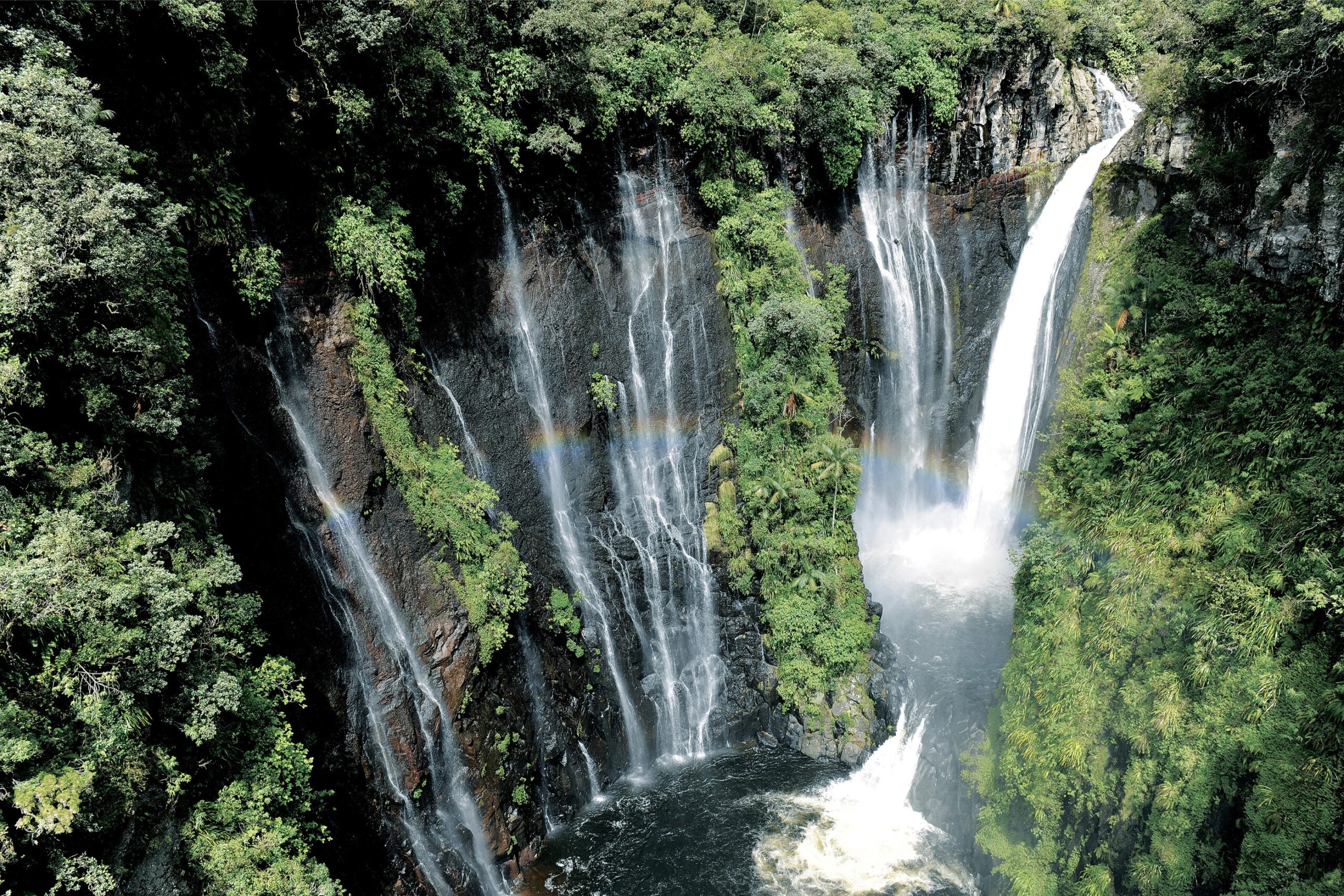
Salazie is the realm of saturated green. Slopes are covered in vegetation, and water is present everywhere: waterfalls, springs, runoff. Caution is essential after heavy rain: paths can be slippery, some ravines swell quickly, and rockfalls are not uncommon. In return, moments of calm offer rare, almost misty atmospheres, where one understands the power of erosion on the island.
Explore the West: ramparts, grand panoramas and highland trails
On the western facade, the relief reads like a life-size raised map: ridgelines, steep ramparts, dry then humid forests depending on altitude. It is also an area where one can easily combine a morning hike at altitude with a gentler afternoon on the coast, provided one respects the fatigue related to temperature changes.
To choose emblematic routes and understand the treasures of the Highlands on the west side, this resource is particularly useful: The Réunion National Park and its treasures in the West. It helps pinpoint viewpoints, forested areas and paths where evening light turns the ramparts into golden walls.
Our Vacation Rentals in Réunion
Nature reserves: sanctuaries to respect
Beyond the large park, the island also has nature reserves with specific objectives: preserve rare habitats, limit human disturbance, monitor the evolution of endemic species. These areas require special attention: stay on trails, avoid any picking, do not feed animals, and reduce noise. On some sites, access may be regulated, notably to protect nesting areas or very sensitive environments.
To identify the sites concerned, understand their role and get up to date on official information, consult the island's nature reserves. This overview makes it possible to build a coherent itinerary, alternating very busy areas and more discreet places where observation is done on tiptoe.
Observe without disturbing: the golden rule
In a reserve, the success of an outing is not measured by the number of photos, but by discretion. Good practice is to stop, look for a long time, then leave without a trace. On the island, endemic species and seabirds can be particularly sensitive to disturbance, as can certain coastal environments subject to erosion.
The volcano and lava landscapes: walking on an island in motion
Volcanic landscapes are among the most striking: black or red expanses, tormented reliefs, striking contrasts with the blue of the sky. Routes that cross these areas require real preparation: the sun reflects there, the wind can be strong, and the ground can be abrasive. Good shoes, water, sun protection and a comfortable time margin are essential.
In these settings, the experience is as sensory as it is visual: the warmth of the ground in the sun, the roughness of the rock, the sometimes total silence. In case of fog, navigation becomes more difficult: follow the markings, avoid straying, and give up if visibility drops. It is one of the best places to understand Réunion's geological youth, and how nature reclaims its rights as vegetation gradually recolonizes the flows.
Forests and heights: when Réunion becomes a wild garden
Between the ramparts and the plains, numerous forests offer another facet of the island: cooler, shadier, often gentler to explore. It is the domain of large trees, humid undergrowth and trails where one walks to the rhythm of birdsong. These outings also suit travelers who want to alternate hiking and more contemplative discovery.
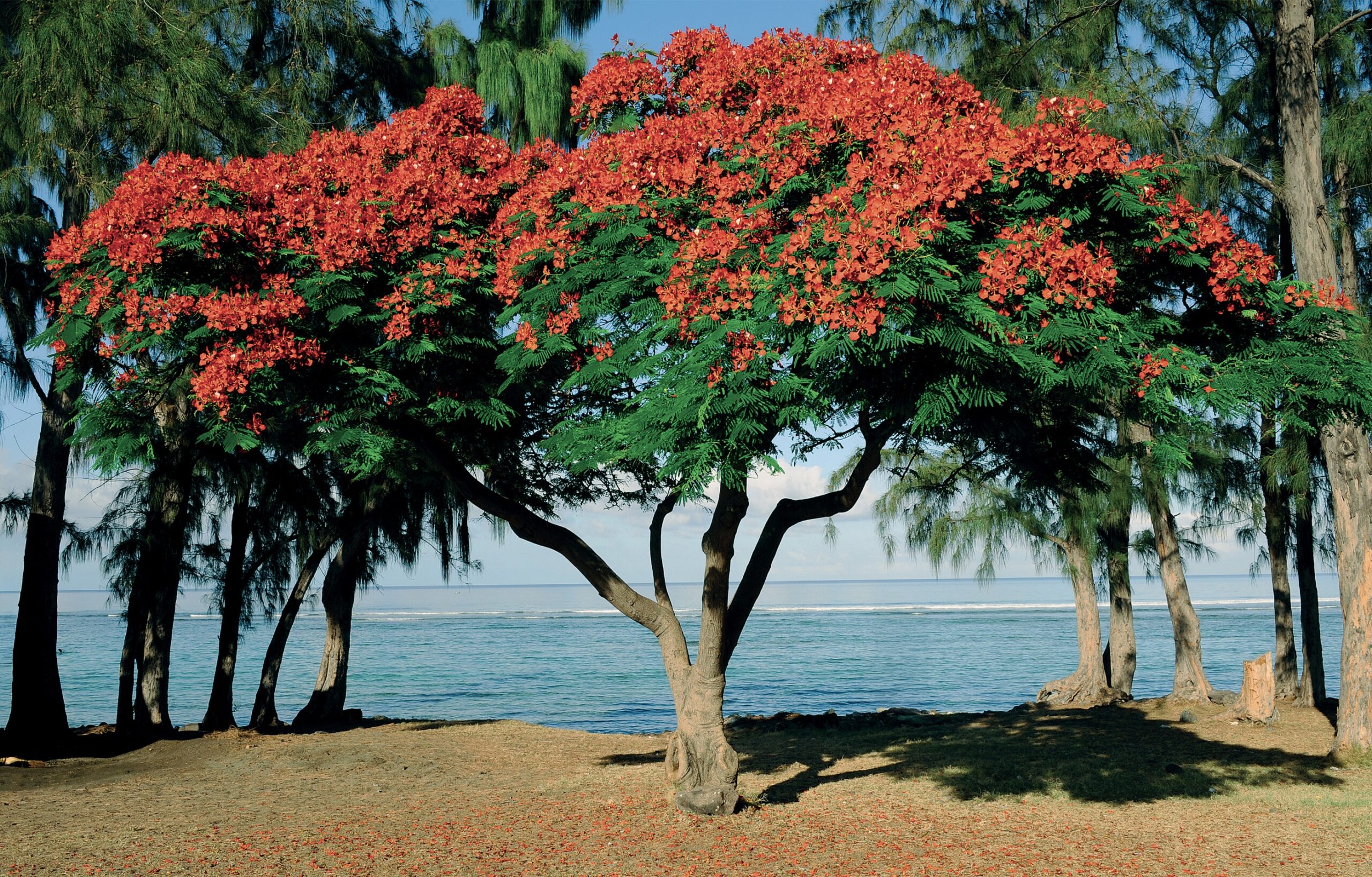
If you like vegetative atmospheres, you can extend the exploration with developed and educational sites thanks to this internal article: Botanical garden spaces on the island of La. This complements a forest outing very well: you learn to recognize certain species, to understand the issues of introducing exotic plants and the value of endemic heritage.
The jewels of the coast: between lagoon, cliffs and protected areas
One sometimes thinks of Réunion's nature only in terms of the cirques and the volcano, but the coastline also offers remarkable areas. To the west, the lagoon and its surroundings are sensitive environments: corals, fish, seagrass beds and nursery areas require a respectful approach. On other stretches of coast, cliffs and pebble beaches recall the power of the Indian Ocean.
To enjoy the sea while limiting your impact, choose short outings, avoid walking on corals, do not touch animals, and favor a sunscreen that is more respectful of marine environments. If you are looking for suitable spots and practical advice, this internal article can guide your choices: find sites to explore the seabed with fins-mask-snorkel.
When to go: weather, safety and best experience
Réunion can be discovered year-round, but the experience varies greatly depending on season, altitude and exposure. A hike in the Highlands can be cool in the morning, then under bright sun at noon. The wetter season increases the risks of flash floods and slips, while offering lusher landscapes and more impressive waterfalls.
To plan your outings according to conditions (rain, heat, swell, visibility in the mountains), you can rely on this internal guide: choose the right period according to your nature desires. In practice, the ideal is to remain flexible: plan fallback activities, depart early, and adapt your routes to the day's weather.
Discover the island differently: villages, culture and gateways to nature
Protected areas are not isolated bubbles: they interact with villages, cultures and local habits. Before a hike, stopping in a Hauts village, talking with residents, discovering a viewpoint known to locals or a small trailhead grocery gives the trip a different dimension. These moments weave a link between adventure and daily life.
Our Vacation Rentals in Réunion
To add a human dimension to your nature itinerary, this internal article suggests ideas for stops: stop off in villages with character. It’s also a good way to spread visitor flows: instead of concentrating all visits on a few spots, you discover less frequented places, often just as memorable.
Wildlife watching: from the mountains to the ocean
Réunion allows wildlife observation at several scales: birds in the forests, discreet species in the ravines, and large cetaceans offshore depending on the season. Responsible observation is based on distance, patience and no interaction. An animal that changes its course, moves away, dives suddenly or alters its behavior signals disturbance.
If you wish to include a sea outing in your trip, while respecting seasonality and best practices, this internal article will help you frame the right time: prepare a whale-watching outing according to the season.
Nature route ideas for 3, 5, or 7 days
Over 3 days : favor a strong contrast. One day in the Highlands (viewpoints and forest), half a day at a volcano or lava landscapes, and time on the coast to recover (easy walks, swimming, wildlife watching). Leave early, choose short but memorable hikes, and allow time for viewpoints at sunrise or sunset.
Over 5 days : add an in-depth cirque (with an overnight there if possible) and a more contemplative outing in the forest. Alternate exertion: one day mountain, one day easy. This reduces fatigue and improves the quality of the experience, especially when traveling with family.
Over 7 days : build a loop: a cirque, a volcanic zone, a west sector for panoramas and the Highlands, then two more relaxed days (garden/botanical, villages, lagoon). The goal is not to rack up kilometers, but to vary ecosystems while staying mindful of weather conditions.
Good practices: leave the island intact
In Réunion’s natural areas, visitor numbers are high in certain spots. A few simple actions make a real difference: stay on trails, take nothing, carry out your waste (including biodegradable items), avoid speakers and noise, don’t feed animals, and follow local instructions. On hikes, erosion is a major issue: cutting switchbacks or walking off-trail accelerates soil wear, especially on wet ground.
Another crucial point is safety: the island can change moods very quickly. In the mountains, fog can descend in minutes. On the coast, swell can make some areas dangerous. Humility is your best ally: it’s better to give up than to persist.
Additional inspiration for choosing preserved places
If you are looking for a focused selection of places with high natural value, this source of inspiration can complement your planning: Réunion: 6 preserved places to explore on the intense island. The purpose of this type of list is to give quick leads, to be refined afterwards according to your walking level, the season and your desires (volcano, cirque, forest, coastline).
Plan your stay as close to nature as possible
To fully enjoy the wide open spaces, it's practical to choose accommodation that makes early departures, hiking returns and variable weather days easier. If you want to unpack and base yourself to explore different sites, you can check our availability for a stay on the island.
By combining a bit of preparation, suitable itineraries and a respectful approach, you will discover an intense Réunion in the noblest sense: that of vast panoramas, living forests, lava flows, and protected habitats where beauty also depends on our discretion.
 Français
 Español
 Deutsch
 English